 Login


 RM200M
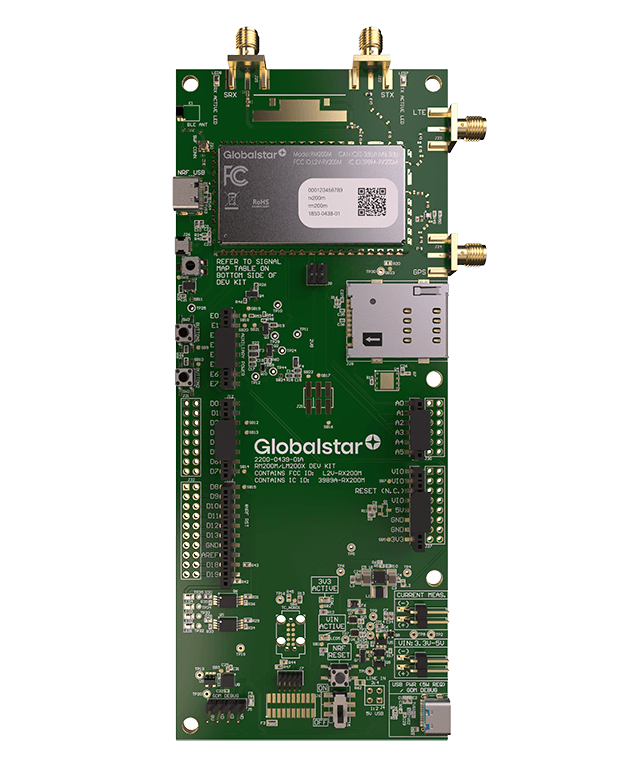 RM200M Dev Kit
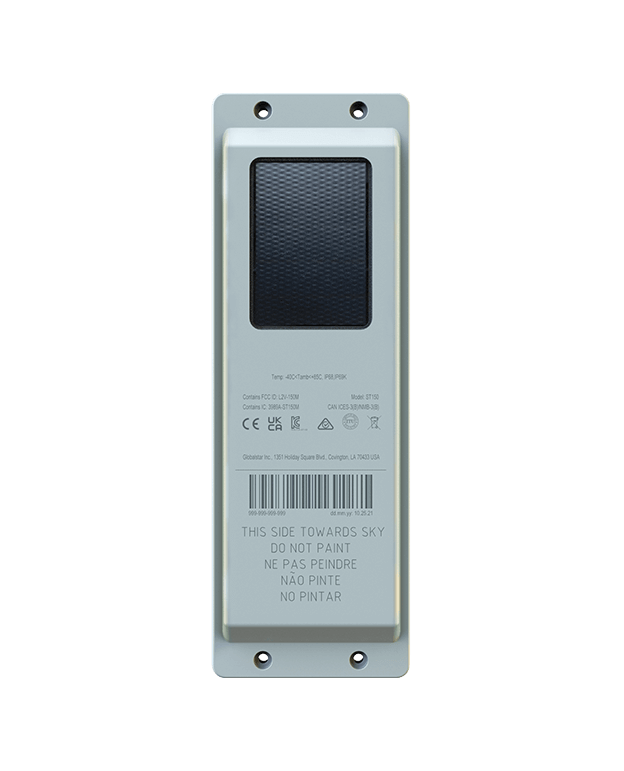 Integrity 150
 ST150M
 ST150M Dev Kit
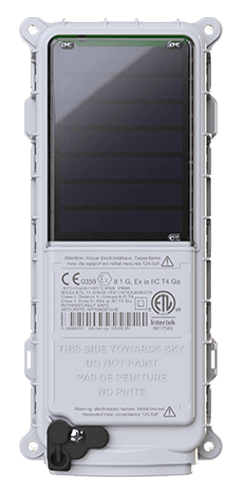 SmartOne Solar
 GSatSolar
 SmartOne C
 STX3
 STX3 Dev Kit

 SPOT X
 SPOT Gen4
 SPOT Trace

 GSP-1700
 GSP-1600
Why Reliable Connectivity is the Next Competitive Advantage
In today's business environment, competitive advantage is increasingly defined by an organization's ability to make informed decisions, respond quickly to change, and maintain operations in the face of disruption.
Digital transformation, automation, and the Internet of Things (IoT) have created new opportunities for enterprises to improve efficiency, gain operational visibility, and optimize performance. Yet the success of these initiatives depends on a fundamental capability that is often overlooked: reliable connectivity.
As businesses become more dependent on connected systems, connectivity is no longer simply an IT consideration. It is becoming a strategic business priority with direct implications for operational resilience, financial performance, and long-term growth.
For executive leaders, the question is no longer whether connectivity matters. It's whether their connectivity strategy is strong enough to support the business they are building.
Connectivity is Becoming a Business-Critical Asset
Across industries, organizations are relying on connected technologies to support increasingly complex operations.
Manufacturers use connected equipment to monitor production performance and identify maintenance needs. Logistics providers depend on asset visibility to improve supply chain coordination. Energy companies monitor infrastructure across remote locations, while agricultural businesses use connected technologies to manage equipment and resources across expansive operating environments.
These applications help organizations operate more efficiently, but they also introduce a growing dependence on consistent access to operational data.
When connectivity becomes unavailable, the impact can extend well beyond a temporary interruption in communication.
Limited visibility into assets, delayed operational updates, and gaps in critical information can affect productivity, resource allocation, and the ability to respond to emerging issues.
For organizations managing geographically dispersed operations, these challenges can become even more significant.
Reliable connectivity is therefore not just about keeping devices connected. It's about maintaining the flow of information that enables the business to function effectively.
Executive teams that recognize this distinction can begin treating connectivity as a foundational component of enterprise strategy rather than an isolated technology expense.
The Business Cost of Connectivity Gaps
Connectivity challenges are often evaluated through technical metrics such as network availability, signal strength, or message success rate.
While these measurements are important, they do not fully capture the business implications of unreliable connectivity.
For enterprise leaders, the more important consideration is how connectivity gaps affect operational outcomes. When organizations lose visibility into remote equipment or distributed assets, they may experience delays in identifying maintenance needs, responding to operational issues, or coordinating resources.
The financial impact may not always appear as a direct connectivity expense. Instead, it can emerge through inefficiencies, unplanned service visits, delayed decisions, or missed opportunities to improve performance.
This makes connectivity reliability an important consideration in broader discussions about business continuity, operational risk, and return on investment.
Four Ways Reliable Connectivity Creates Competitive Advantage
For enterprises seeking to strengthen their market position, reliable connectivity can create value across several strategic priorities.
1. Greater Operational Resilience
Operational resilience has become an increasingly important priority for executive leadership. Organizations must be prepared to navigate disruptions while maintaining visibility into critical assets, infrastructure, and business processes.
Reliable connectivity supports this objective by enabling the continued exchange of operational information across connected systems.
For businesses operating in remote or infrastructure-limited environments, relying exclusively on terrestrial networks may leave certain assets outside available coverage.
Incorporating satellite connectivity into an enterprise connectivity strategy can help address these geographic limitations and support monitoring in locations where traditional networks are unavailable or inconsistent.
A more resilient connectivity approach helps organizations reduce information gaps, maintain situational awareness, and respond more effectively when operating conditions change. For executive teams, this supports a broader objective: building operations that can adapt to disruption without losing access to the information needed to make decisions.
2. Better Decisions Through Consistent Operational Visibility
Enterprise leaders depend on accurate, timely information to guide strategic and operational decisions.
Connected technologies can provide valuable insights into asset location, equipment performance, environmental conditions, and resource utilization.
However, these insights are only useful when information can reach the systems and people responsible for acting on it. Connectivity gaps can create incomplete operational pictures, particularly for organizations managing assets across large geographic areas.
Reliable connectivity helps improve the consistency of information available to decision-makers, supporting more informed planning and resource allocation. For example, better visibility into distributed equipment can help organizations identify underutilized assets, prioritize maintenance activities, and coordinate operations more effectively.
The competitive advantage comes not simply from collecting more data, but from improving the organization's ability to turn that data into timely, informed action.
3. Improved Efficiency and Long-Term Cost Management
Efficiency is a key driver of profitability, particularly for organizations managing large asset portfolios or geographically dispersed operations.
Without dependable connectivity, businesses may rely on manual processes to collect information, verify equipment status, or confirm asset locations.
These activities can require additional labor, travel, and administrative coordination, particularly when assets are located in remote or difficult-to-access environments. Connected monitoring solutions can help reduce reliance on these processes by providing remote access to relevant operational information.
When supported by reliable connectivity, organizations can improve oversight of distributed assets, identify potential issues earlier, and make better-informed decisions about maintenance and resource deployment.
For executive leadership, these improvements can contribute to stronger cost management and more effective use of operational resources. The long-term value of connectivity should therefore be evaluated not only through network costs, but also through the efficiencies it can enable across the business.
4. The Ability to Expand Without Losing Visibility
Growth creates new opportunities, but it also introduces operational complexity.
As enterprises enter new markets, expand infrastructure, or deploy assets across additional regions, maintaining consistent operational visibility can become more challenging. Connectivity requirements that are easily met in established markets may be difficult to support in remote, rural, or underserved locations.
This can create limitations for businesses seeking to expand connected operations beyond existing infrastructure. Satellite connectivity can help organizations address these challenges by extending communications capabilities into areas where terrestrial coverage is limited or unavailable.
For enterprises operating across diverse geographic environments, this flexibility can support more consistent asset monitoring and reduce the need to rely exclusively on local terrestrial infrastructure.
From an executive perspective, the strategic benefit is clear: connectivity should support business expansion rather than become a barrier to it.
Why Connectivity Strategy Deserves a Place in Executive Planning
As digital transformation initiatives become more closely tied to business performance, connectivity decisions deserve greater attention at the executive level.
Historically, connectivity may have been treated primarily as a technical or operational requirement. Today, its implications extend across finance, operations, risk management, and corporate strategy. A more strategic approach begins by evaluating how connectivity supports the organization's most important business objectives.
Executive teams should consider whether their current connectivity infrastructure provides sufficient visibility across operations, whether critical assets remain accessible in remote environments, and how connectivity limitations could affect future growth.
They should also evaluate the financial implications of connectivity gaps, including potential operational inefficiencies, service interruptions, and additional maintenance requirements.
These considerations help shift the discussion from the cost of connectivity to the business value of maintaining reliable access to information. Importantly, building a resilient connectivity strategy does not necessarily mean replacing existing infrastructure.
For many enterprises, the most effective approach may involve combining complementary connectivity technologies to address different operational requirements.
Cellular networks, satellite communications, and other connectivity solutions can each play a role in supporting enterprise operations, depending on geographic coverage, application needs, and business priorities.
The objective is to create a connectivity strategy that aligns with the organization's operating environment and long-term goals.
Extending Enterprise Connectivity with Globalstar
For organizations managing assets and operations beyond traditional network coverage, satellite connectivity can play an important role in building a more resilient and scalable enterprise strategy.
Globalstar owns and operates a low Earth orbit (LEO) satellite network that supports connectivity solutions for a range of business applications, including remote asset tracking, equipment monitoring, and industrial IoT.
Through its satellite network and portfolio of IoT solutions, Globalstar helps enterprises extend visibility into locations where terrestrial communications infrastructure may be limited or unavailable.
This capability is particularly relevant for organizations operating across industries such as energy, transportation, logistics, agriculture, construction, and natural resources, where critical assets may be distributed across expansive or remote environments.
By incorporating satellite connectivity into a broader enterprise strategy, organizations can strengthen operational visibility, support more informed decisions, and build greater flexibility into their connected operations.
For executive leaders, the value extends beyond the technology itself. It lies in the ability to support business priorities through more dependable access to operational information.
The Next Competitive Advantage Starts with Connectivity
As enterprises continue investing in automation, IoT, and data-driven operations, the importance of reliable connectivity will only increase.
Organizations that can maintain visibility across distributed operations, respond quickly to changing conditions, and extend connected capabilities into new environments will be better positioned to manage risk and pursue growth opportunities.
Those that overlook connectivity as a strategic consideration may find that gaps in their communications infrastructure limit the value of otherwise promising technology investments.
For executive leaders, the opportunity is to move beyond viewing connectivity as a necessary operating expense and begin recognizing it as an enabler of business performance. Because in an increasingly connected world, competitive advantage isn't just about having more data. It's about having reliable access to the information that moves your business forward.
Discover how Globalstar's satellite connectivity and IoT solutions can help your organization improve operational visibility, support business resilience, and extend connected operations beyond traditional network boundaries.