 Login
Login


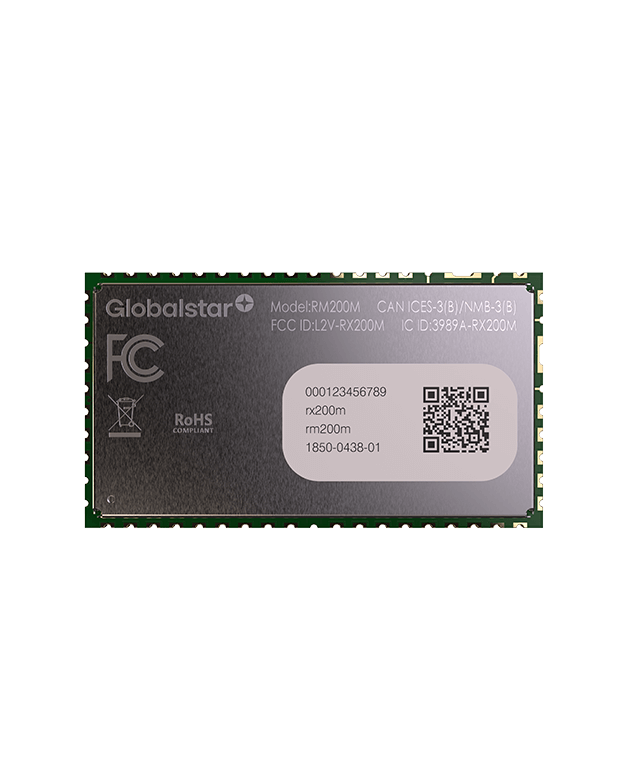 RM200M
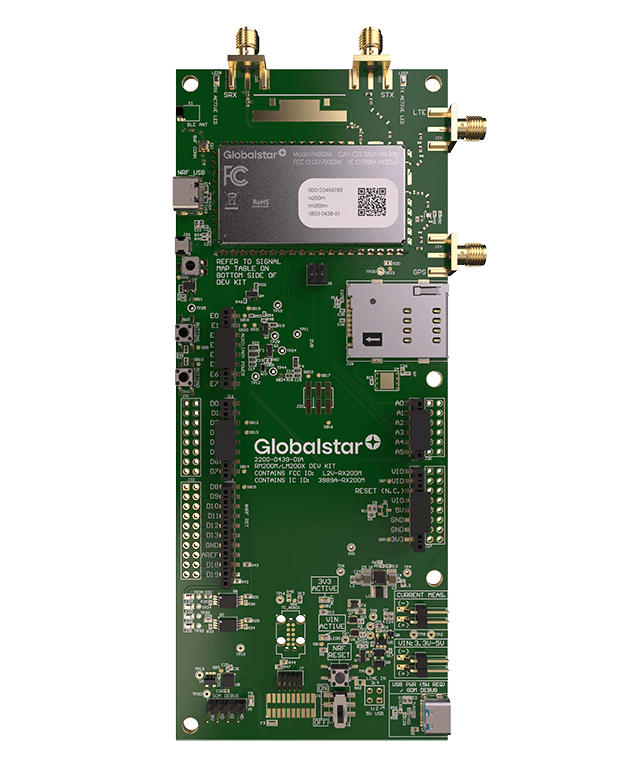 RM200M Dev Kit
 Integrity 150
 ST150M
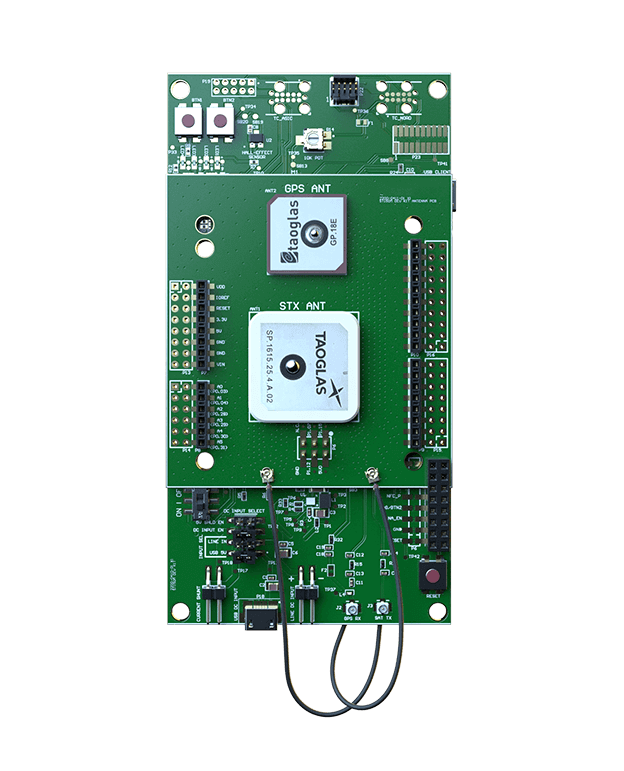 ST150M Dev Kit
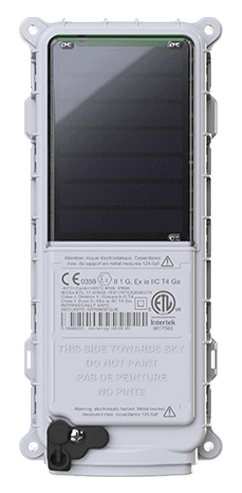 SmartOne Solar
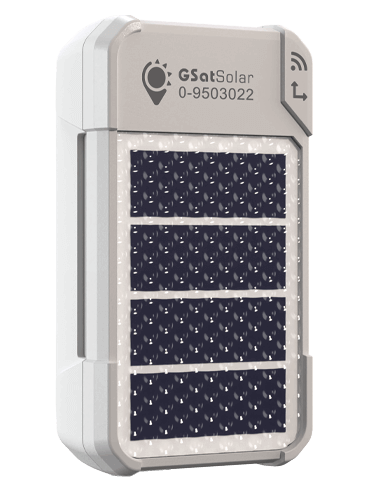 GSatSolar
 SmartOne C
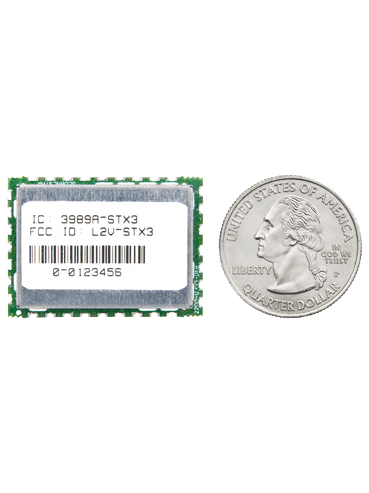 STX3
STX3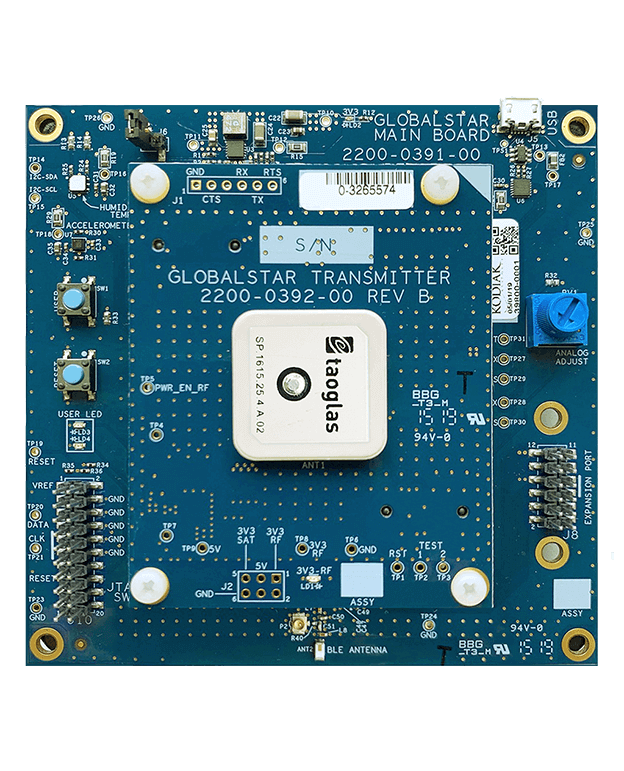 STX3 Dev Kit
 SPOT X
 SPOT Gen4
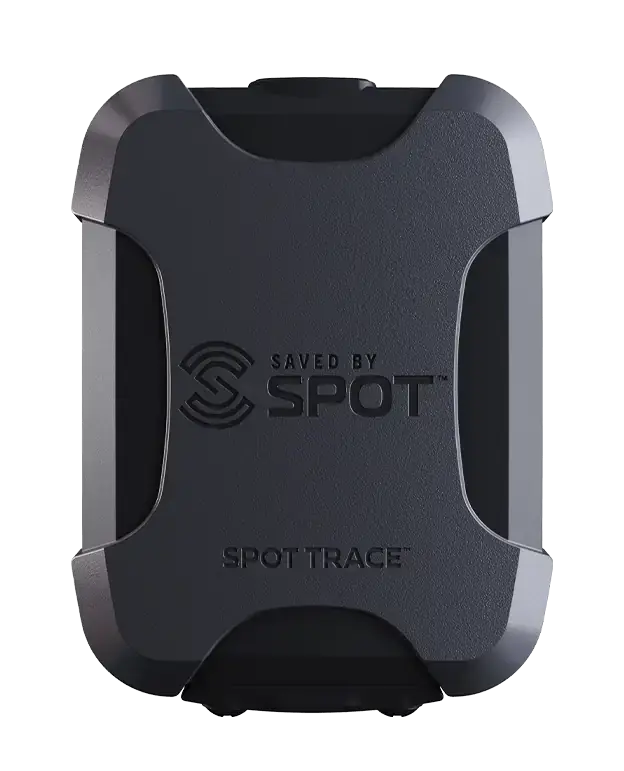 SPOT Trace
 GSP-1700
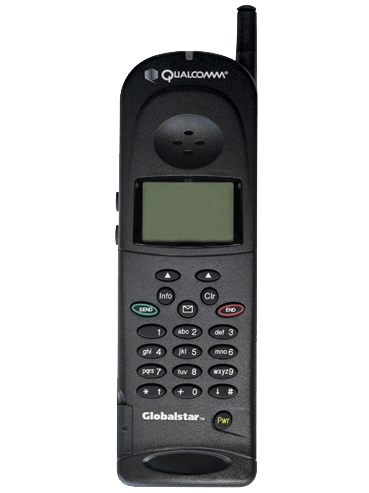 GSP-1600
Why Low SWaP-C Devices are the Future of IoT
The Internet of Things (IoT) is expanding into some of the world’s most challenging environments. From monitoring equipment at remote mining sites and tracking assets across transportation networks to collecting data from agricultural operations and energy infrastructure, organizations are looking for new ways to gain visibility into assets that may be spread across hundreds or even thousands of miles.
As IoT expands, the physical technology deployed at the edge is becoming increasingly important. Hardware accounted for more than 58 percent of the edge market in 2024, according to Grand View Research, reflecting growing demand for devices capable of processing data locally, supporting real-time decision-making, and operating closer to where data is generated.
But expanding intelligence at the edge also introduces practical considerations.
IoT devices often need to operate where space is limited, power is scarce, maintenance is difficult, and traditional connectivity may not be available. As deployments grow, the size, weight, power requirements, and cost of each device can have a significant impact on what organizations can realistically connect.
That is where low SWaP-C technology comes in.
SWaP-C (Size, Weight, Power, and Cost) has long been an important consideration in device design. For IoT, optimizing these four factors can help organizations deploy connected technology across a wider range of assets and environments, while reducing many of the practical barriers associated with large-scale deployments.
Smaller Devices Create Bigger IoT Opportunities
In many rugged environments, space comes at a premium. A communications device that works well on a large piece of equipment may not be practical for a compact sensor, portable asset, remote monitoring station, or other space-constrained application.
Reducing device size gives developers and operators greater flexibility in where connectivity can be incorporated.
A compact IoT device can be integrated into equipment or infrastructure with less impact on the asset itself, opening the door to applications that may previously have been impractical. In mining, for example, connected devices can help provide visibility into equipment and assets operating across large, remote sites. Utilities can monitor distributed infrastructure, while agricultural operations can gather information from equipment and assets across expansive areas.
Smaller components can also give OEMs greater flexibility when developing connected products. Rather than designing equipment around a large communications module, connectivity can become a more seamless part of the overall device design.
As IoT expands, flexibility matters. The easier it becomes to integrate connectivity into different types of equipment, the more opportunities organizations have to collect useful data from across their operations.
Lower Weight Supports Mobile and Distributed Assets
Weight may not be the first consideration that comes to mind when thinking about IoT connectivity, but it can become important when devices are deployed on mobile, portable, or distributed assets.
IoT increasingly extends beyond fixed infrastructure. Organizations may need to monitor equipment moving around a worksite, assets traveling through a supply chain, containers in transit, or portable equipment used by field teams.
Reducing the weight of communications hardware can simplify installation and make connectivity practical across a broader range of these assets. And when deployments involve hundreds of thousands of connected devices, even relatively small reductions in hardware requirements can contribute to simpler overall deployment.
The result is greater flexibility to put connectivity where the asset actually operates rather than limiting IoT deployments to equipment capable of supporting larger communications hardware.
Power Efficiency Helps IoT Go Further
For many remote IoT applications, power is one of the most important constraints.
A device deployed at an isolated energy site, along a utility network, on agricultural land, or aboard a mobile asset may not have continuous access to an external power source. Frequent battery replacements or maintenance visits can quickly undermine the value of remote monitoring, particularly when assets are difficult or expensive to reach.
Low-power device design can help extend operating life and reduce the frequency of these interventions.
How devices process and transmit information can also have a significant impact on power consumption. In one environmental IoT monitoring study, researchers found that an edge-computing approach reduced the amount of data transmitted by an average of 50% while increasing battery life by 130 percent compared with the conventional sensor-monitoring approach.
Edge processing allows devices to analyze information locally rather than transmitting every piece of data they collect. A device might continuously monitor sensor information but communicate only when a predefined threshold is reached; an asset moves outside a designated area, or another event requires attention.
More recent research has demonstrated just how significant selective transmission can be in specific applications. A 2026 Scientific Reports study evaluating anomaly-based edge processing found that one tested approach reduced transmitted data volume by 98.19% and communication energy consumption by 98.10 percent compared with transmitting the full dataset.
Results will vary significantly depending on the device, network, application, and transmission strategy, but the principle is important: processing data locally and transmitting selectively can dramatically change the power requirements of an IoT application.
For remote deployments, where both energy and communications resources need to be used efficiently, this can make a significant difference.
Lower Costs Make Large-Scale IoT More Practical
The “C” in SWaP-C extends beyond the purchase price of an individual device.
IoT deployments can involve hundreds, thousands, or even tens of thousands of assets. At that scale, organizations need to consider the broader costs associated with deploying and maintaining connected technology.
Smaller, more power-efficient devices can help reduce requirements for supporting hardware, power sources, installation, and ongoing maintenance. Devices that can operate for longer periods with fewer interventions can also help reduce the operational burden associated with servicing equipment across geographically dispersed locations.
These advantages become increasingly significant as deployments scale.
A technology that is practical for connecting ten high-value assets may not necessarily be practical for connecting thousands of smaller or lower-value assets.
By reducing the size, power requirements, deployment complexity, and overall cost of connectivity, low SWaP-C technology can help change that equation.
The result is an opportunity to extend IoT visibility deeper into operations, not only to the largest or most critical equipment, but to a much broader range of assets.
Extending IoT Beyond Terrestrial Networks
Optimizing the device itself solves only part of the IoT challenge. A connected device still needs a way to communicate.
Cellular IoT is growing rapidly, reaching 4.7 billion connections worldwide in 2025. Yet cellular represented only about 22 percent of the 21.1 billion overall IoT connections that year, reflecting the diverse connectivity requirements of IoT deployments.
For organizations, this can become difficult when operations extend beyond reliable terrestrial network coverage. Mines, agricultural operations, transportation routes, energy sites, utility infrastructure, and other remote assets are often located where cellular service is limited, inconsistent, or unavailable.
Satellite connectivity can help bridge those coverage gaps, enabling IoT devices to communicate from areas outside the reach of traditional terrestrial infrastructure.
When satellite communications are combined with low SWaP-C device design, the range of potential applications grows even further. Satellite capability can be incorporated into smaller, lower-power devices, making remote connectivity practical for more assets without requiring the footprint or power demands associated with larger communications equipment.
This combination can help organizations maintain visibility as assets move between connected and remote environments and extend monitoring into locations that have traditionally been difficult to reach.
Globalstar Technology for the Next Generation of IoT
Globalstar is helping enable this shift with satellite IoT technology designed to bring reliable connectivity to compact, power-conscious devices.
The STX3 satellite transmitter provides a compact solution for applications that need to send small amounts of data from remote assets. Its small form factor and low power requirements make it well suited for asset tracking, remote monitoring, and other IoT applications where space and energy are limited.
For applications requiring greater intelligence at the edge, the Globalstar RM200M brings together two-way LEO satellite communications, multi-constellation GNSS, Bluetooth® Low Energy (BLE), and edge processing capabilities in a compact architecture.
With an integrated Nordic nRF52840 ARM Cortex-M4 processor, the RM200M can support local processing of sensor and asset data, helping devices determine what information requires action before communicating it. Its Unified API provides control of GNSS, BLE, and software-defined radio capabilities, while BLE enables nearby equipment and sensors to contribute additional data to the device.
For developers, this type of integration can reduce the number of separate components required to build intelligent, satellite-connected IoT solutions. For operators, it creates opportunities for event-driven monitoring that uses power and connectivity more efficiently.
Together, technologies like the STX3 and RM200M demonstrate how satellite IoT is evolving alongside the broader shift toward lower SWaP-C devices.
Smaller Devices, Greater Possibilities
The future of IoT is not simply about connecting more things. It is about making connectivity practical wherever those things operate.
As IoT devices become smaller, lighter, more power-efficient, and more economical to deploy, organizations can extend intelligence to assets and environments that were previously difficult or impractical to connect. When those capabilities are paired with satellite communications, the boundaries can expand even further.
From remote infrastructure and mobile equipment to assets operating far beyond terrestrial coverage, low SWaP-C technology can help organizations gain greater visibility while reducing the practical demands of deploying connectivity at scale.
And as the physical footprint of IoT gets smaller, the possibilities for where it can go next will only get bigger.
Reach out to our team of experts to learn more.