 Login
Login


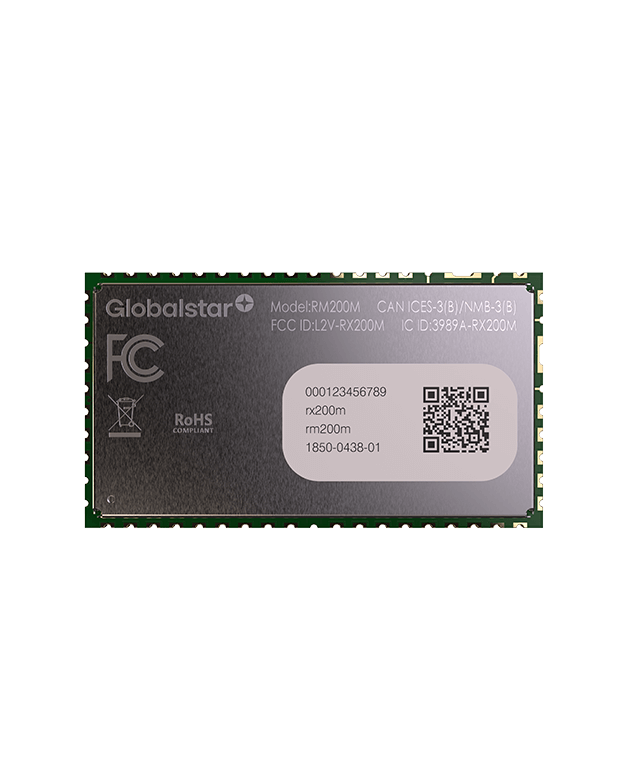 RM200M
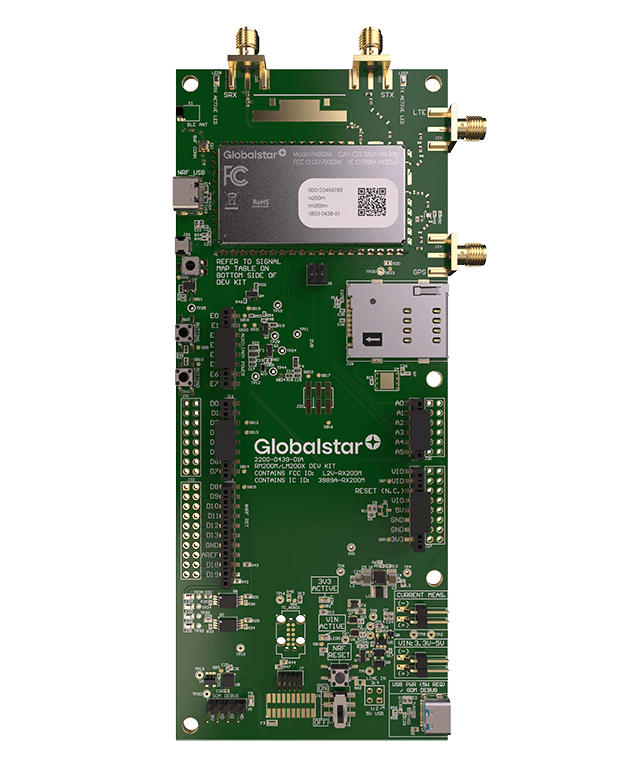 RM200M Dev Kit
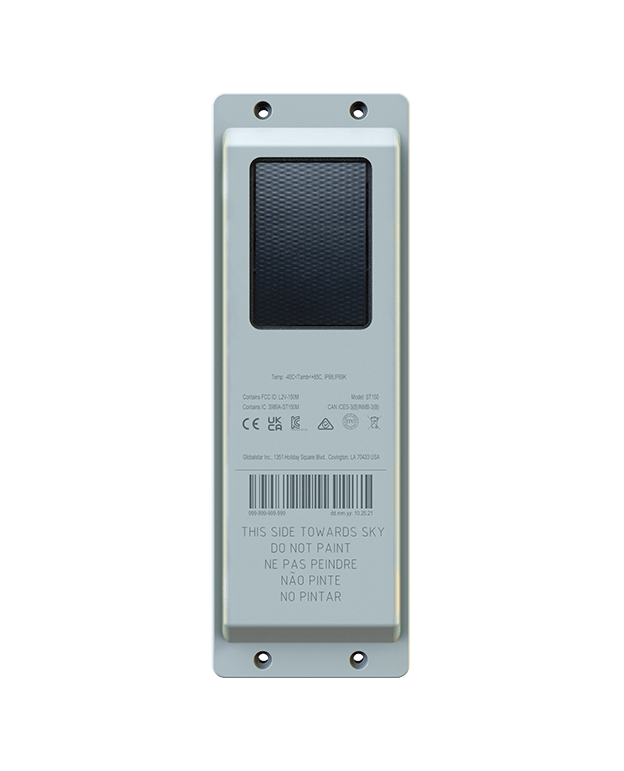 Integrity 150
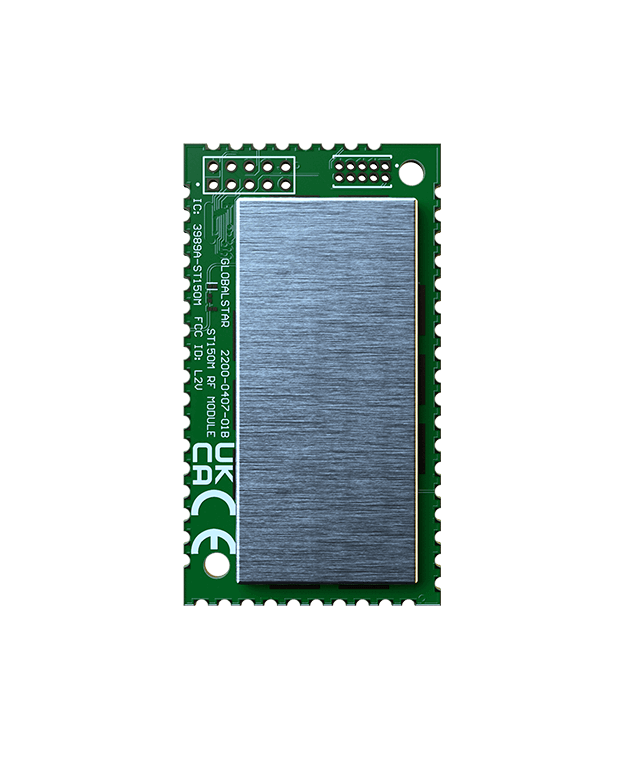 ST150M
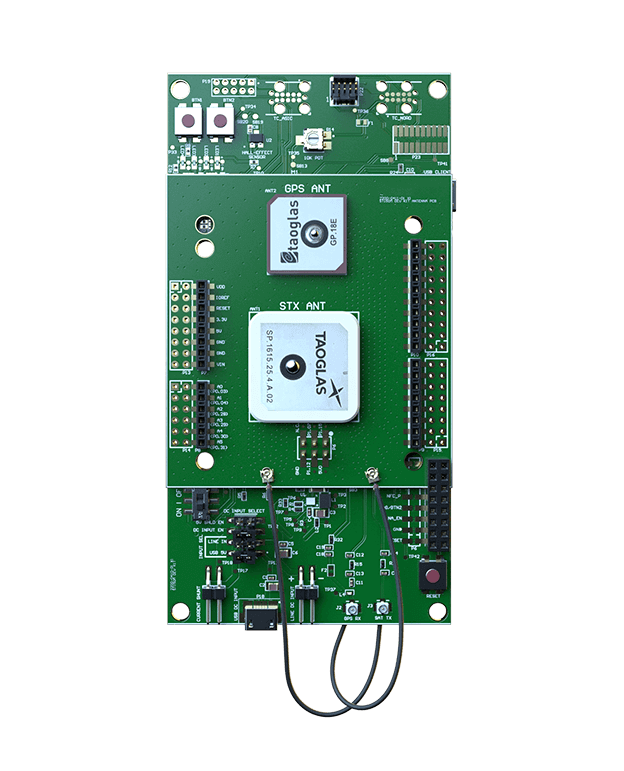 ST150M Dev Kit
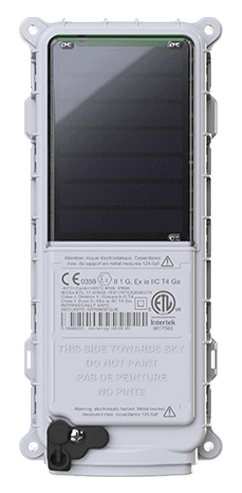 SmartOne Solar
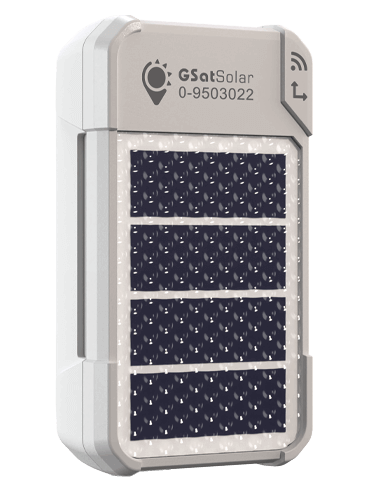 GSatSolar
 SmartOne C
 STX3
STX3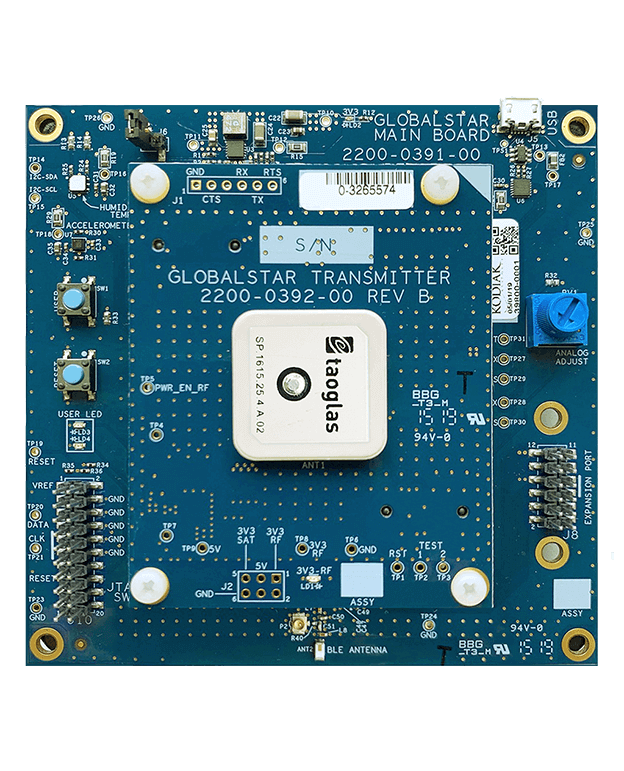 STX3 Dev Kit
 SPOT X
 SPOT Gen4
 SPOT Trace
 GSP-1700
 GSP-1600
What Low-Power IoT Means Exactly
"Low power" is one of the most common phrases used to describe IoT devices, but it can also be one of the least defined.
For some applications, low power simply means a device can operate for months without maintenance. For others, it means achieving years of autonomous operation in remote environments where replacing batteries is impractical or impossible. The distinction matters because low-power IoT is not a single specification. It's the result of engineering decisions that balance energy consumption, communication requirements, sensing, processing, and environmental conditions.
Designing an effective low-power IoT solution requires looking beyond battery capacity alone. It begins with understanding how and when energy is consumed.
Power Is a Budget, Not a Feature
Every IoT device operates within a finite energy budget. That budget is influenced by several factors:
- How often the device wakes from sleep
- How frequently it transmits data
- The amount of information being sent
- Sensor sampling intervals
- Processing requirements
- Environmental conditions, including temperature
- Expected operational lifetime
In many remote monitoring applications, the radio, not the processor, is the largest consumer of energy. Transmitting data, especially over long distances, typically requires more energy than collecting or processing sensor data. As a result, minimizing transmission time and avoiding unnecessary communications often has a greater impact on battery life than selecting a lower-power microcontroller.
This systems-level perspective is what separates a device that lasts months from one that reliably operates for years.
Understanding Power States
One of the most important concepts in low-power design is that IoT devices rarely operate continuously. Instead, they transition through different power states depending on what they need to accomplish.
A typical operating cycle includes:
- Sleep: The device consumes minimal power while waiting for a scheduled event or external trigger
- Wake: Internal clocks or interrupts activate the processor
- Sense: Connected sensors collect environmental or operational data
- Process: The device determines whether the information requires action
- Communicate: Data is transmitted, and, in some systems, incoming messages are received
- Return to Sleep: Once communication is complete, the device returns to its lowest-power state
For many battery-powered IoT devices, more than 99% of operational life is spent in sleep mode. Consequently, engineers focus on minimizing both the frequency and duration of active periods to maximize energy efficiency.
Why Every Transmission Matters
Every transmission consumes energy, making communication strategy one of the most influential factors in power consumption.
Instead of transmitting continuously, many IoT systems are designed to communicate only when necessary. Common approaches include:
Optimizing message frequency often delivers greater energy savings than reducing processor power consumption.
Message size also plays an important role. Smaller payloads typically require less airtime, allowing radios to complete transmissions more quickly before returning to low-power sleep states. Efficient communication protocols therefore contribute directly to longer battery life.
For engineers, this often leads to an important design question: What is the minimum amount of information required to make an informed operational decision?
One-Way and Two-Way Communications: Different Engineering Objectives
Communication architecture also affects how devices manage energy.
One-way IoT systems are optimized for efficient outbound reporting. Devices transmit information on a schedule or in response to events, making them well suited for applications such as asset tracking, environmental monitoring, and infrastructure status updates where periodic visibility is the primary requirement.
Two-way systems introduce an additional capability by allowing devices to receive commands or acknowledgments from the network.
Although receiving messages requires careful power management, modern low-power satellite IoT devices are designed to minimize the energy impact through efficient receive windows and optimized communication protocols.
The result is expanded functionality rather than increased complexity. Engineers gain the ability to remotely adjust reporting intervals, acknowledge alarms, update configuration settings, request additional diagnostics, or support command-and-control applications, all without requiring physical access to the device.
Rather than viewing one-way and two-way communications as competing approaches, they are best understood as different tools for different operational requirements.
Battery Chemistry Matters
Low-power design is closely tied to battery technology.
Primary lithium batteries, particularly lithium thionyl chloride (Li-SOCl₂), are commonly used in long-life industrial IoT devices because they offer high energy density, low self-discharge, and reliable performance across wide temperature ranges. These characteristics make them well-suited for deployments expected to operate unattended for many years.
Rechargeable lithium batteries, by contrast, are often paired with external power sources or energy harvesting technologies such as solar panels. This combination supports more frequent communications while reducing the need for battery replacement over the lifetime of the deployment.
Selecting the appropriate battery chemistry depends on the application's reporting frequency, environmental conditions, expected service life, and maintenance strategy.
When Energy Harvesting Makes Sense
Battery-powered devices are not the only option for low-power IoT.
In applications with sufficient environmental energy, solar-powered systems can supplement or recharge onboard batteries, enabling more frequent reporting while maintaining long-term autonomous operation.
Energy harvesting is particularly valuable for permanently installed assets where routine maintenance is costly or difficult. Remote infrastructure, environmental monitoring stations, and fixed industrial equipment often benefit from this approach because available energy can be replenished throughout the deployment.
The deployment environment can also introduce additional design and certification considerations. For example, devices used in potentially explosive atmospheres may need to meet ATEX requirements, while certain specialized applications may be subject to electromagnetic safety requirements such as HERO. These requirements can influence decisions around power sources, energy storage, and wireless transmission, making them important considerations early in the device design process.
While solar-powered devices still rely on efficient power management, harvested energy provides greater flexibility in communication schedules without significantly affecting operational longevity.
Low-Power Engineering in Practice
Different IoT solutions demonstrate how these engineering principles are applied to different operational requirements.
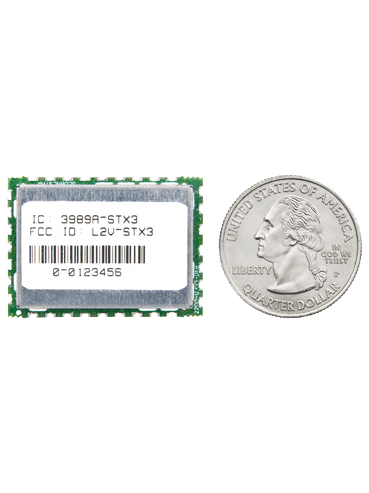
STX3 is designed around efficient outbound satellite messaging, supporting applications where compact data packets need to be transmitted reliably while maximizing battery life. Its architecture emphasizes simple, dependable reporting with minimal energy consumption.
RM200M builds upon those same low-power design principles by enabling efficient two-way satellite communication. By supporting both outbound messages and inbound commands, it allows engineers to remotely configure devices, acknowledge events, modify reporting behavior, and support interactive applications without sacrificing the long-term power efficiency expected of satellite IoT deployments.
SmartOne C illustrates how intelligent firmware contributes to energy efficiency. Motion detection, configurable reporting intervals, and event-based messaging reduce unnecessary transmissions while providing visibility when meaningful changes occur.
SmartOne Solar demonstrates an alternative strategy by integrating solar energy harvesting into the device architecture. Instead of relying solely on stored battery capacity, it supplements available energy through solar charging, enabling long-term autonomous operation with greater flexibility for reporting frequency.
Although each solution addresses different use cases, they share the same engineering philosophy: use energy intentionally, communicate efficiently, and maximize operational life.
Engineering for Long-Term Reliability
Low-power IoT is ultimately about more than extending battery life.
It is about creating systems that can remain dependable for years in locations where maintenance is expensive, connectivity may be intermittent, and reliability is essential. Every design decision, from sleep-state management and message scheduling to communication architecture and battery selection, contributes to that objective.
As industrial IoT deployments continue to grow across logistics, utilities, energy, agriculture, and infrastructure, engineers will increasingly evaluate devices not simply by how little power they consume, but by how effectively they use every available unit of energy.
In the end, low-power IoT isn't defined by a single specification. It's the result of thoughtful system engineering that balances performance, communication, and longevity to deliver reliable operation wherever connected assets are deployed.
Reach out to our product team for more information.