 Login
Login


 RM200M
 RM200M Dev Kit
 Integrity 150
 ST150M
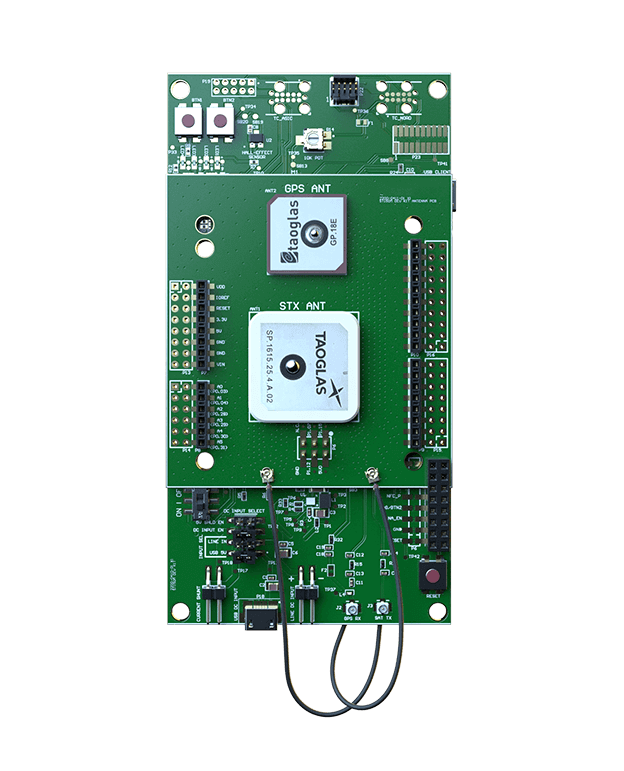 ST150M Dev Kit
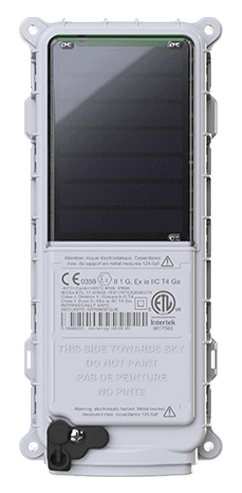 SmartOne Solar
 GSatSolar
 SmartOne C
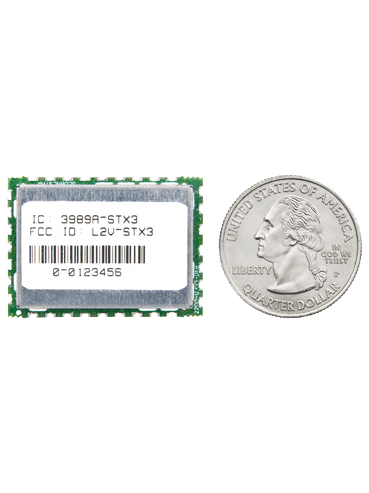 STX3
STX3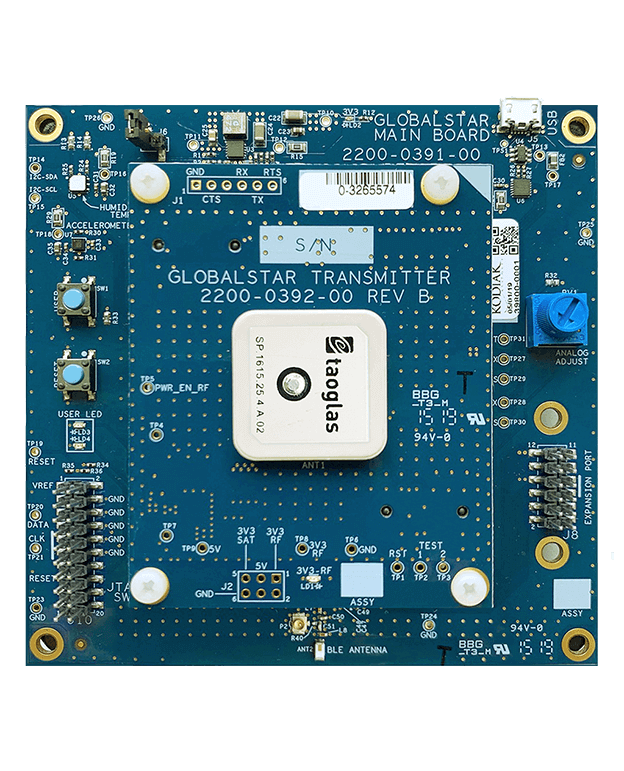 STX3 Dev Kit
 SPOT X
 SPOT Gen4
 SPOT Trace
 GSP-1700
 GSP-1600
Turning IoT Data into Decisions with Two-Way Connectivity
For decades, organizations have relied on remote monitoring solutions to improve visibility into assets, infrastructure, and operations.
From tank monitoring and environmental sensing to equipment health and asset tracking, one-way IoT communications have helped businesses collect critical operational data from locations where traditional communications are unavailable or impractical.
And for many applications, that model continues to work exceptionally well.
One-way satellite IoT solutions are often valued for their simplicity, reliability, low power consumption, and cost efficiency. When the primary objective is collecting and transmitting data from a remote location, one-way communications can provide an effective and proven solution.
But as operational requirements evolve, visibility alone is not always enough.
When Visibility Is Sufficient
Many remote monitoring applications are designed around a straightforward objective: gather information and deliver it to the people who need it.
Examples include:
- Tank level monitoring
- Environmental monitoring
- Weather stations
- Asset tracking
- Infrastructure monitoring
- Equipment health reporting
In these scenarios, the ability to reliably transmit data from the field may be all that is required.
Organizations gain valuable visibility into operations, improve decision-making, and reduce the need for manual inspections, all without the complexity of maintaining constant two-way communications.
For these applications, one-way connectivity remains a highly effective solution.
When Confirmation Matters
However, some operational environments require more than simply sending data. Organizations increasingly need confirmation that information was received, instructions were delivered, or actions were successfully completed.
This requirement is becoming more common across industries where safety, compliance, operational continuity, or regulatory oversight play a significant role.
Examples may include:
- Critical infrastructure monitoring
- Utility operations
- Environmental compliance programs
- Government and public sector applications
- Remote worker safety programs
- Transportation and logistics operations
- Industrial control and automation systems
In these environments, organizations may need more than visibility into conditions.
They may need confidence that communications have been received and acknowledged. That is where two-way connectivity becomes valuable.
Supporting Compliance and Operational Requirements
Many industries operate within regulatory frameworks that require accountability, traceability, or confirmation of communications.
In some cases, organizations must demonstrate:
- That a device is operational
- That data was successfully received
- That alerts were acknowledged
- That instructions were delivered
- That systems remain available and responsive
Two-way communications can help support these requirements by creating a confirmation path between remote assets and operational systems.
Rather than simply transmitting information, devices can verify communication status, acknowledge messages, and support more interactive operational workflows.
For organizations operating in regulated environments, this additional layer of assurance can be just as important as the data itself.
Enabling More Responsive Operations
Two-way connectivity also creates opportunities to improve operational efficiency.
Organizations can:
- Adjust reporting schedules remotely
- Update device configurations
- Acknowledge alarms
- Request additional information
- Modify operating parameters
- Support remote management activities
In many cases, these capabilities help reduce field visits, improve responsiveness, and increase operational flexibility.
The goal is not to replace one-way monitoring. The goal is to provide additional capabilities when operational requirements demand them.
Choosing the Right Connectivity Model
The most effective IoT deployments are not defined by the amount of technology deployed. They are defined by selecting the right communications approach for the business problem being solved.
For some applications, one-way connectivity provides a simple, efficient, and highly reliable solution. For others, operational requirements may call for confirmation, interaction, or command capabilities that make two-way communications advantageous.
The key is understanding the needs of the application, the operational environment, and the level of assurance required.
Turning Information into Action
Whether using one-way or two-way communications, the ultimate objective remains the same: transforming operational data into informed decisions.
As organizations continue to digitize remote operations, the ability to collect, transmit, and act upon information becomes increasingly important.
For applications where visibility is sufficient, one-way satellite IoT remains a powerful tool. For applications where confirmation, accountability, and operational interaction are required, two-way connectivity can provide the additional capabilities needed to support those objectives.
The result is not a replacement of one approach with another, but a broader set of tools that enable organizations to align connectivity with operational requirements.
Ready to transform data into action? Reach out to our team of experts to learn more.