 Login
Login


 RM200M
 RM200M Dev Kit
 Integrity 150
 ST150M
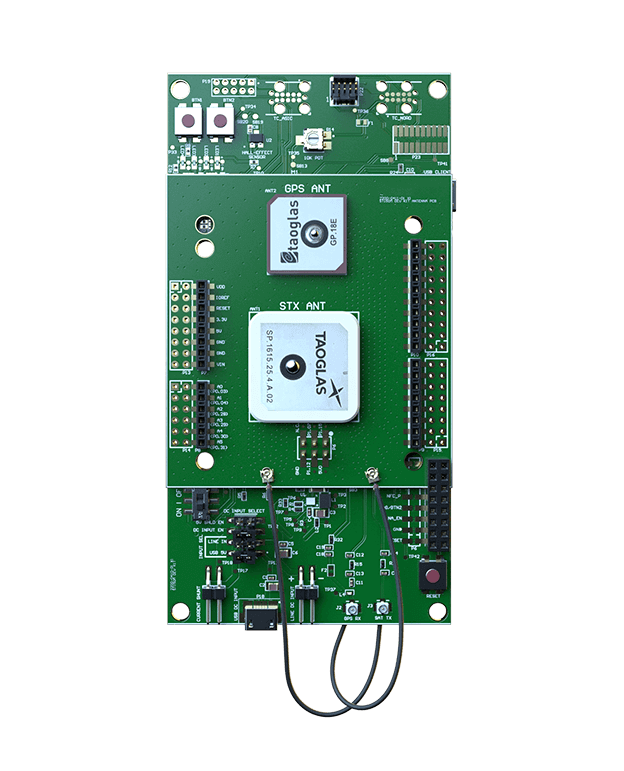 ST150M Dev Kit
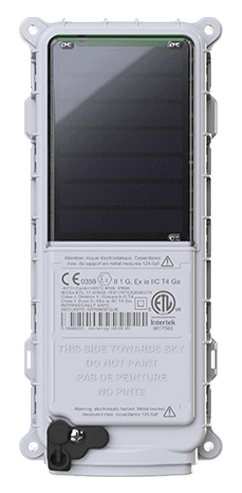 SmartOne Solar
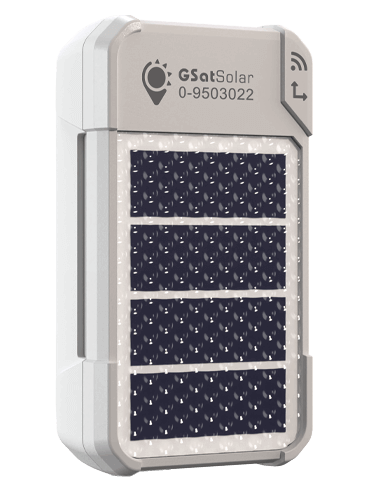 GSatSolar
 SmartOne C
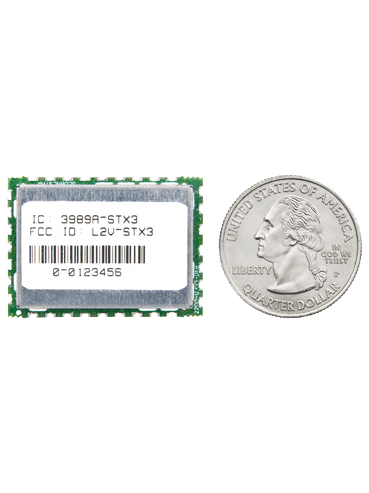 STX3
STX3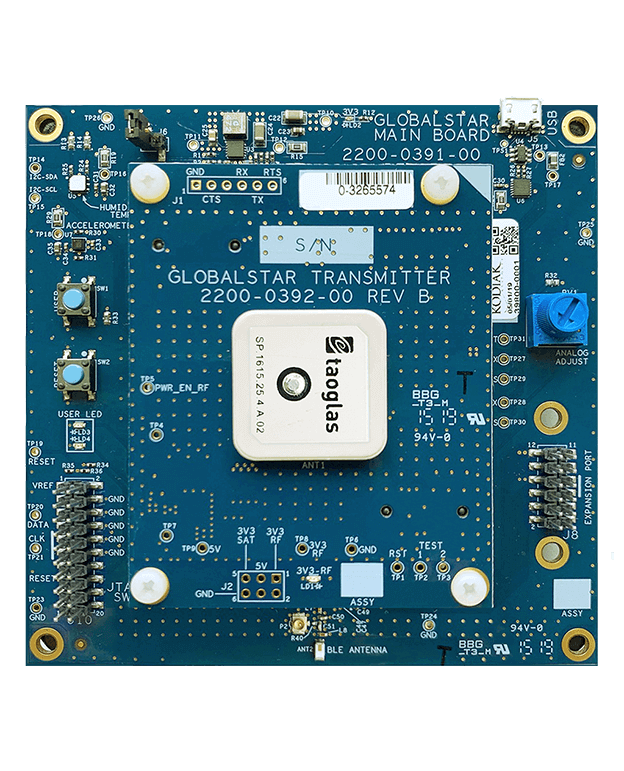 STX3 Dev Kit
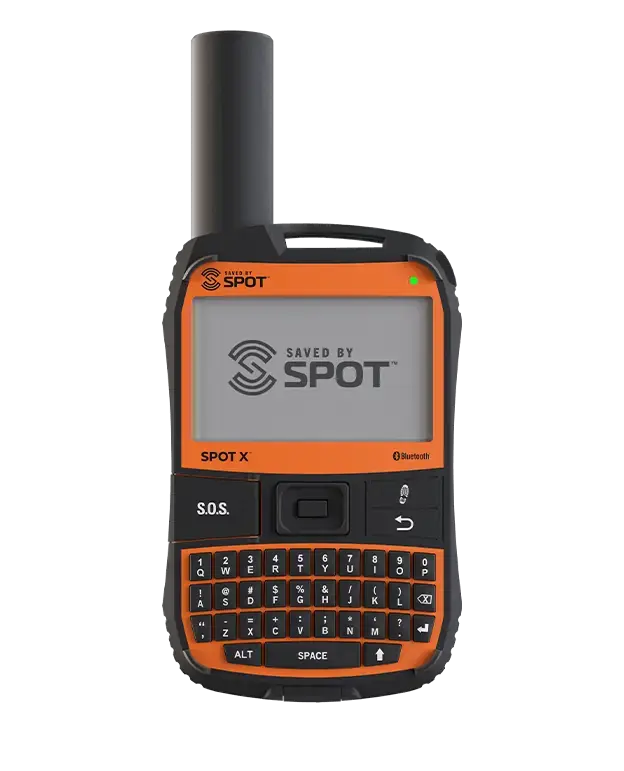 SPOT X
 SPOT Gen4
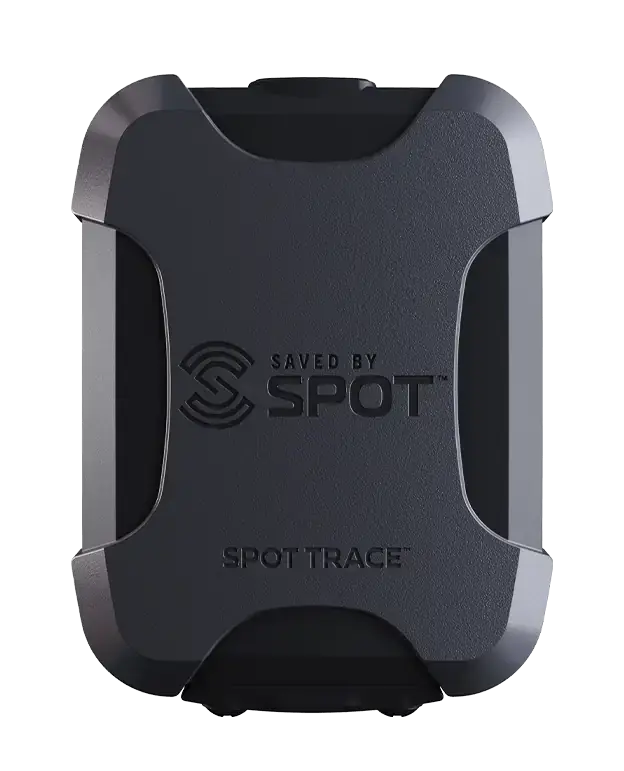 SPOT Trace
 GSP-1700
 GSP-1600
The Value of Satellite IoT Asset Tracking in Construction
Construction operations are built around moving parts. Heavy equipment travels between job sites, trailers and generators are relocated as projects progress, and valuable assets may be spread across large or remote areas at any given time.
Keeping track of all of it can be difficult and expensive.
Equipment theft alone represents a significant challenge. The National Equipment Register (NER) estimates the annual cost of equipment theft to the construction industry at between $300 million and $1 billion, with most estimates around $400 million. NER also notes that the cost of business interruption can be as significant as the value of the stolen equipment itself.
For construction companies, limited visibility into equipment and assets can create more than an inconvenience. Teams may spend valuable time locating equipment, assets may sit unused while others are rented unnecessarily, and theft or unauthorized movement can lead to costly disruptions.
IoT asset tracking can help construction companies gain greater visibility into where critical assets are and how they are moving. But when jobsites extend beyond reliable cellular coverage, terrestrial connectivity alone may leave gaps.
That is where satellite IoT asset tracking can make a difference.
Visibility Across Jobsites and Beyond
Construction assets rarely stay in one place for long. Equipment may move around a large job site, travel between projects, or be transported to remote locations.
Satellite-connected tracking devices can provide location data even in areas where terrestrial networks are unavailable, helping construction companies maintain visibility across a wider operational footprint.
That can be particularly valuable for companies managing multiple projects or equipment fleets distributed across a region. Instead of relying on manual check-ins or waiting for an asset to return to cellular coverage, teams can have access to more consistent location information from the field.
The need for better visibility comes at a time when construction companies are continuing to increase their use of connected technology. In its 2025 State of Smart Construction report, Trackunit found that 59 percent of construction professionals surveyed said they were already using IoT technologies, with another 30 percent planning to adopt them.
Helping Protect High-Value Equipment
Construction equipment represents a significant investment, making unauthorized use and theft an ongoing concern.
Asset tracking can provide an additional layer of visibility by allowing companies to monitor the location and movement of valuable equipment. Rather than discovering that an asset is missing when it is needed, connected tracking solutions can help identify unexpected movement sooner.
And recovery can be challenging. According to the National Equipment Register, only around 20 percent of stolen construction equipment is recovered, highlighting the importance of knowing when and where an asset moves.
Organizations can also use location-based parameters, such as geofences, to establish expected operating areas. When supported by the tracking solution, movement outside those predefined boundaries can trigger an event or alert, giving teams information they can use to investigate quickly.
For equipment stored overnight, left at temporary job sites, or operating in isolated areas, that added awareness can be especially valuable.
Making Better Use of Equipment
Knowing where equipment is located can also help construction companies make better operational decisions.
When teams lack accurate asset visibility, equipment may be sitting unused at one site while another project rents or purchases additional machinery. Workers may also lose productive time searching for trailers, generators, tools, or other shared assets.
These inefficiencies matter in an industry already facing significant productivity challenges. McKinsey research found that construction productivity improved by only 10% between 2000 and 2022, approximately 0.4 percent annually, compared with a 50 percent improvement across the overall economy and 90 percent improvement in manufacturing during the same period.
IoT tracking can provide a clearer picture of where equipment is distributed across an organization. With better information, companies can coordinate asset allocation between projects, reduce unnecessary searches, and make more informed decisions about when equipment needs to be relocated.
Over time, greater visibility can help organizations get more value from the assets they already own.
Connecting Remote Construction Operations
Cellular asset trackers can work well when terrestrial coverage is dependable. Construction, however, does not always happen in those places.
Road and infrastructure projects, energy developments, mining-related construction, and projects in rural or undeveloped areas can take all crews and equipment beyond reliable cellular networks. Even projects that begin near established infrastructure may extend into areas with inconsistent coverage.
This challenge becomes particularly relevant as infrastructure investment expands. The U.S. Department of Transportation notes that the Bipartisan Infrastructure Law included approximately $550 billion in new federal infrastructure investment between fiscal years 2022 and 2026, supporting projects involving roads, bridges, rail, ports, airports, water systems, broadband, and other infrastructure.
Many infrastructure projects inherently extend across large geographic areas, making consistent asset visibility an important consideration as equipment moves between established and remote locations.
Satellite IoT helps address this connectivity challenge by allowing track devices to communicate beyond terrestrial networks.
This makes satellite particularly valuable as construction companies expand asset tracking across diverse environments. Connectivity can follow equipment to the places where it is actually being used instead of limiting visibility to locations with existing network infrastructure.
Keep Track of What Keeps Projects Moving
Construction companies depend on having the right equipment in the right place at the right time. When assets are spread across multiple projects and remote environments, maintaining that visibility becomes increasingly difficult.
Satellite IoT asset tracking can help close those gaps, giving organizations greater insight into asset location and movement while extending connectivity beyond cellular coverage.
With better visibility into the equipment that keeps projects moving, construction companies can spend less time searching for assets and more time putting them to work.
Learn more about how Globalstar can deliver the right products and connectivity to provide the visibility needed in your operations. Reach out to talk to our team of experts.