 Login
Login


 RM200M
 RM200M Dev Kit
 Integrity 150
 ST150M
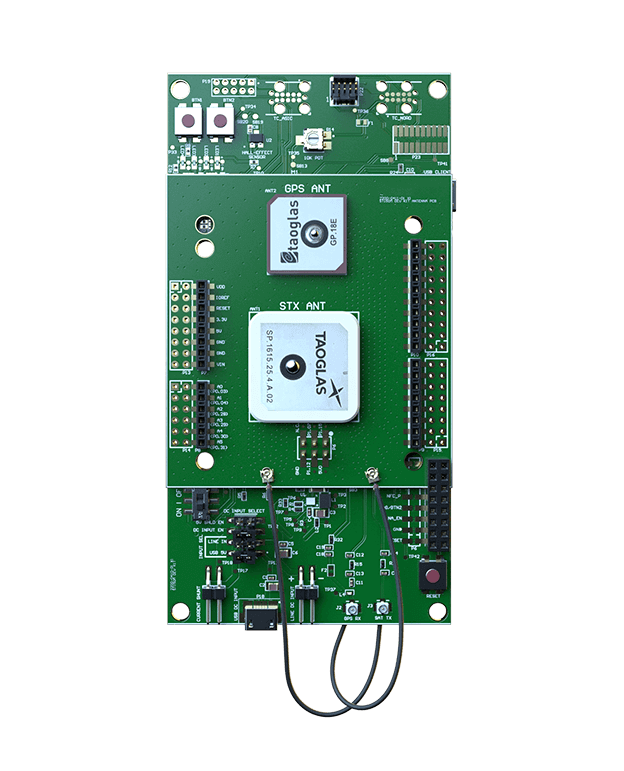 ST150M Dev Kit
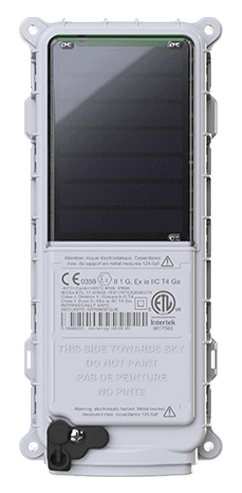 SmartOne Solar
 GSatSolar
 SmartOne C
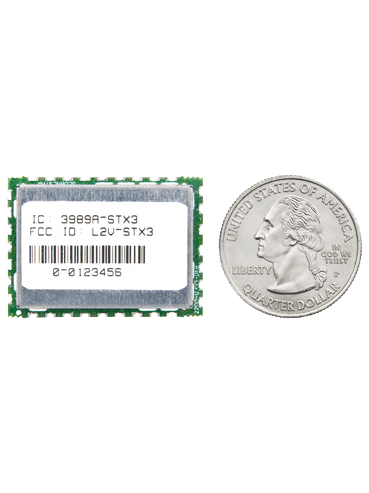 STX3
STX3 STX3 Dev Kit
 SPOT X
 SPOT Gen4
 SPOT Trace
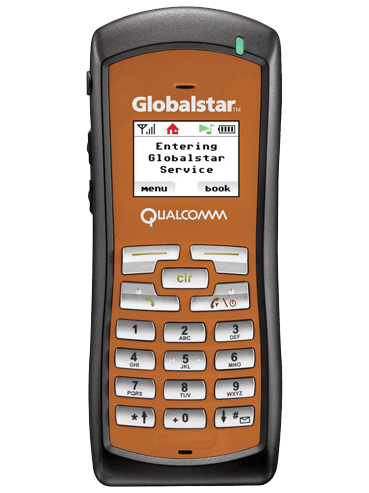 GSP-1700
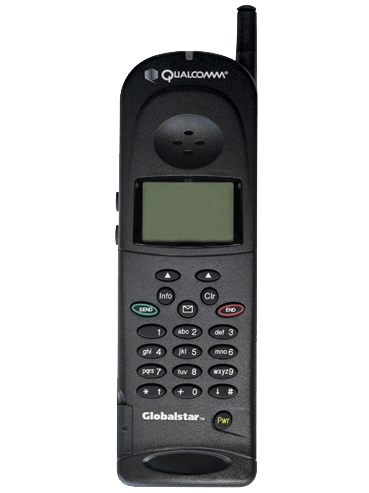 GSP-1600
The Evolving Proposition of Satellite Handhelds for Business
For organizations with employees working beyond reliable cellular coverage, staying connected has always represented a unique challenge. Field teams may operate across remote job sites, isolated roads, large stretches of wilderness, or other areas where terrestrial networks are unavailable or inconsistent.
Historically, satellite handhelds were often viewed primarily as emergency tools: devices carried in case something went wrong. That remains an important part of their role, but the business value of satellite connectivity has expanded.
Today, satellite handhelds can help organizations maintain visibility into remote operations, establish routine check-in procedures, track the location of personnel, and give workers another way to communicate when cellular networks are unavailable.
With 53 million lone workers across the U.S., Canada, and Europe, satellite messenger devices can extend connectivity beyond the reach of terrestrial infrastructure and help close critical communication gaps.
From Emergency Backup to Everyday Operational Tool
An SOS capability can provide an essential connection for employees working in remote environments. But many organizations also need to answer more routine questions throughout the workday:
Where are employees in the field? Have they reached their destination? Is a job progressing as expected? Does someone need assistance? Can a worker communicate when cellular coverage disappears?
Satellite messenger devices can help answer these questions without requiring organizations to build communications infrastructure in every location where employees operate.
That changes the role of the device. Instead of sitting unused until an emergency occurs, it can become part of a company’s normal field workflow.
Employees can check in at predetermined points. Supervisors can monitor location information. Teams can communicate status updates. And if an emergency does occur, workers have access to a dedicated SOS capability.
The result is a communications tool that can contribute to both worker safety and day-to-day operational visibility.
SPOT Gen4™: Connectivity for Remote Teams
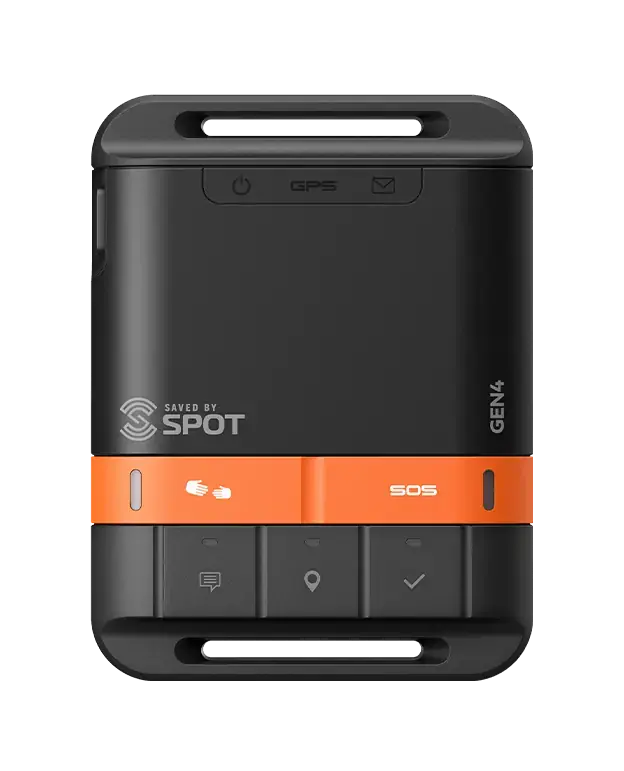
For organizations that need a straightforward way to maintain awareness of employees in the field, SPOT Gen4 provides satellite-enabled GPS tracking and predefined messaging capabilities in a compact, rugged device.
Workers can use Check In to send a pre-programmed message along with their GPS location, providing supervisors or designated contacts with confirmation that they are okay. A custom message provides another predefined communication option that organizations can configure around their operational procedures.
Tracking adds another layer of visibility by automatically transmitting an employee’s GPS location at configured intervals. Through Globalstar’s mapping capabilities, organizations can use this location data to better understand where personnel are operating and review historical activity.
When assistance is needed, employees can use the help function to notify designated contacts of their GPS location. In a life-threatening emergency, the SOS function transmits the worker’s location to a professional emergency coordination center.
These capabilities make SPOT Gen4 particularly useful when organizations want to establish simple, repeatable communication protocols for employees working beyond cellular coverage.
A business might, for example, establish a procedure in which an employee checks in when arriving at a remote site, enables tracking while working or traveling, and sends another predefined message when the assignment is complete.
The technology is simple, but the operational benefit can be significant: greater visibility without adding complexity to the employee’s job.
SPOT X®: Adding Two-Way Communication
Some operations require more than predefined status messages. Employees and supervisors may need to exchange information as conditions change in the field.
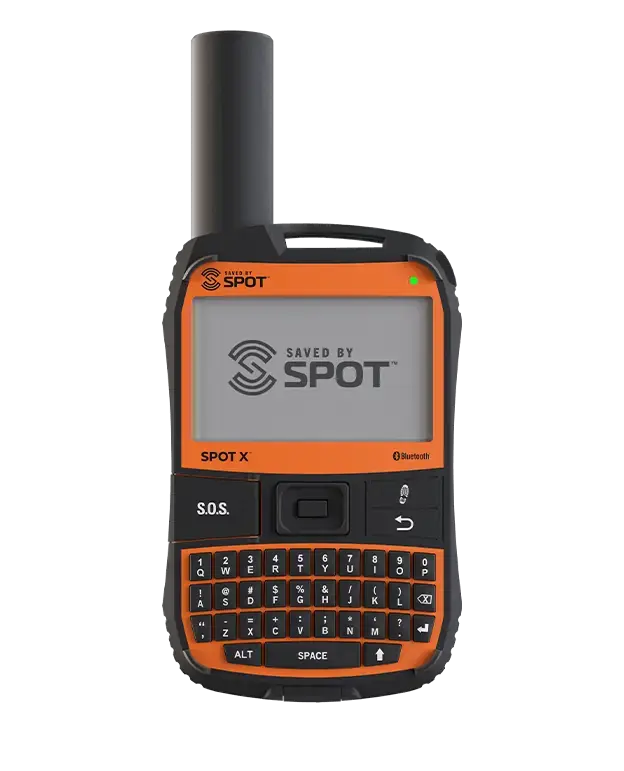
SPOT X extends the satellite handheld value proposition by adding two-way satellite messaging.
Workers can send and receive messages beyond reliable cellular coverage using the device itself or connect SPOT X to a compatible smartphone through Bluetooth® and the SPOT X app. Messages can be exchanged with cell phone numbers or email addresses, giving remote employees a way to communicate with people who do not need their own satellite device.
For businesses, two-way communication can make satellite connectivity considerably more useful during everyday operations.
A field employee can provide an update when a job takes longer than expected. A supervisor can send new instructions. A worker can report a change in conditions or request assistance. Teams can confirm information rather than relying solely on a one-way status notification.
SPOT X also provides GPS tracking and Check In functionality, allowing organizations to combine communication with location awareness.
Its two-way capability becomes especially important during an emergency. When SOS is activated, an employee can communicate information about the nature of the emergency to the emergency coordination center and receive confirmation that help is on the way.
That exchange of information can provide valuable context when an incident occurs far beyond the reach of cellular networks.
Choosing the Right Level of Connectivity
Not every remote employee needs the same communication capabilities.
For some organizations, the priority is knowing where employees are and giving them a simple way to communicate predetermined status updates. In those situations, SPOT Gen4 can provide a straightforward combination of tracking, check-in messaging and emergency communication.
Other employees may operate more independently, encounter changing conditions or need to exchange information with supervisors while away from terrestrial networks. For those workflows, SPOT X adds the flexibility of two-way satellite messaging.
Organizations can therefore think about satellite handhelds in terms of the communication requirements of the job:
SPOT Gen4: Where is the employee, and are they okay?
SPOT X: Where is the employee, are they okay, and what do they need to communicate?
The distinction can help businesses match connectivity to different roles rather than approaching remote worker communications as a one-size-fits-all requirement.
Turning Location Data into Operational Visibility
The value of a satellite handheld does not stop with the device carried by the employee.
Both SPOT Gen4 and SPOT X can support Globalstar's mapping capabilities, giving organizations a centralized way to view location information from the field. Businesses can use mapping tools for live and historical tracking, alerts, shared views, geofences and reporting.
That creates value beyond individual worker communication.
A location transmission from the field becomes information that operations teams can use to understand where personnel are, review activity and maintain greater awareness across geographically dispersed operations.
For organizations managing multiple remote employees, that broader visibility can make satellite connectivity part of the operational picture rather than simply an emergency resource.
A Stronger Business Case for Satellite Handhelds
The fundamental challenge of remote work has not changed: businesses need to maintain a connection with employees even when terrestrial networks cannot.
What has changed is what organizations can expect from that connection.
With SPOT Gen4, businesses can provide employees with a simple way to check in, share their location, request help, and initiate an SOS while also giving operations teams greater visibility into field activity.
With SPOT X, businesses can take that connectivity further with two-way messaging, allowing remote employees and their teams to exchange information when cellular service is unavailable.
The value proposition is therefore broader than emergency preparedness alone.
Satellite handhelds can help businesses create a more connected remote workforce, supporting safety, visibility, communication, and operational continuity wherever the job takes employees.
Reach out to the Globalstar team to learn more.