 Login


 RM200M
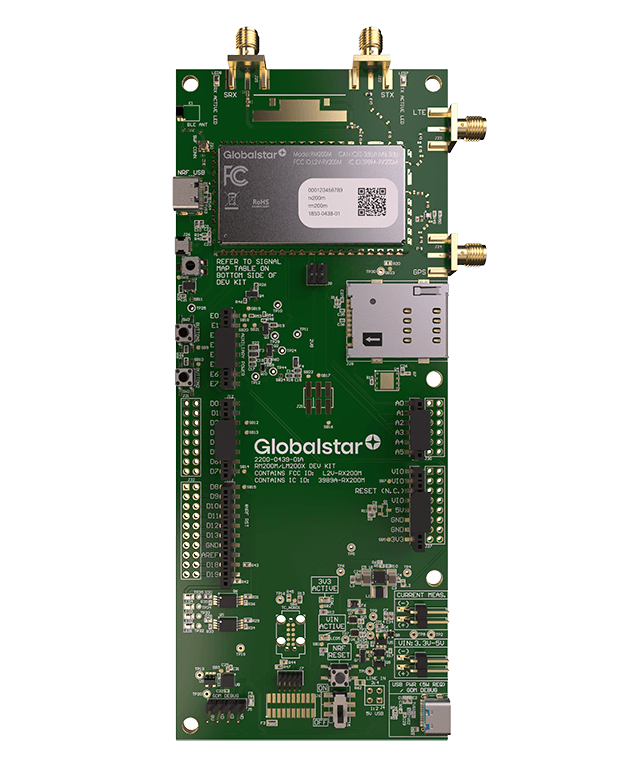 RM200M Dev Kit
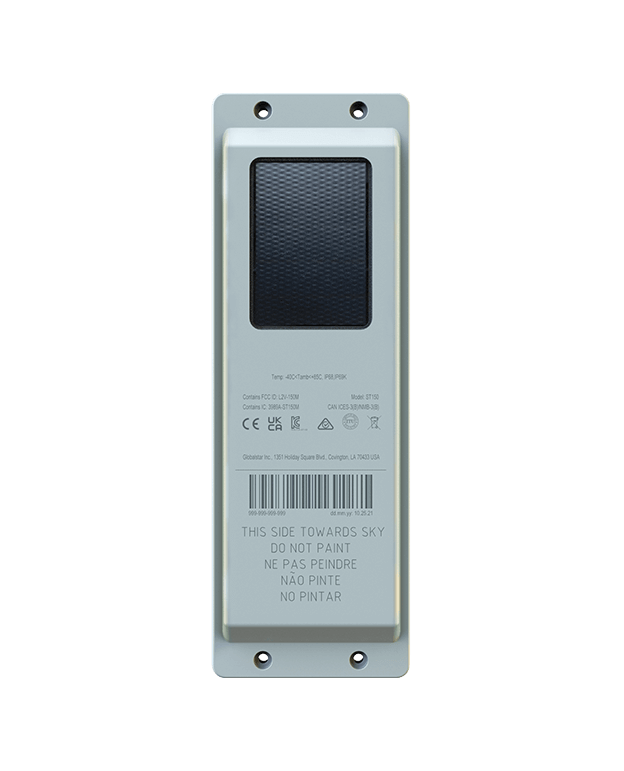 Integrity 150
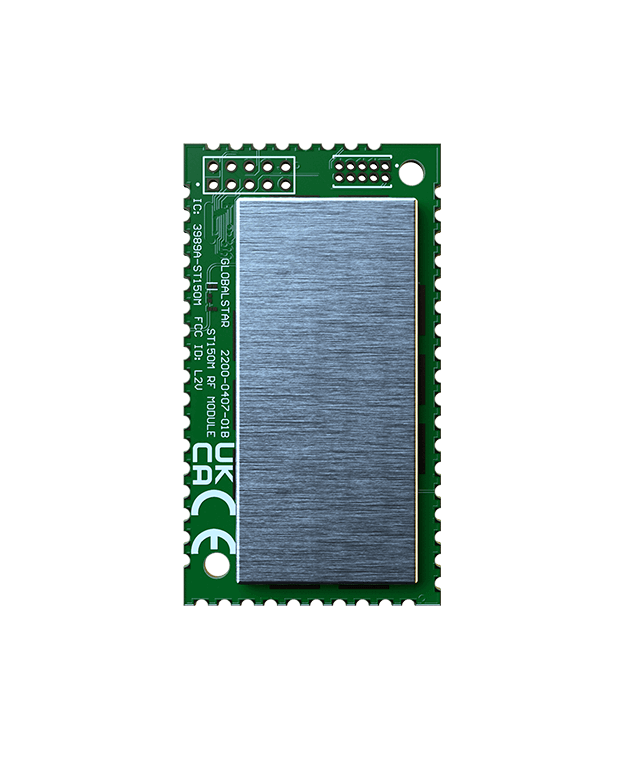 ST150M
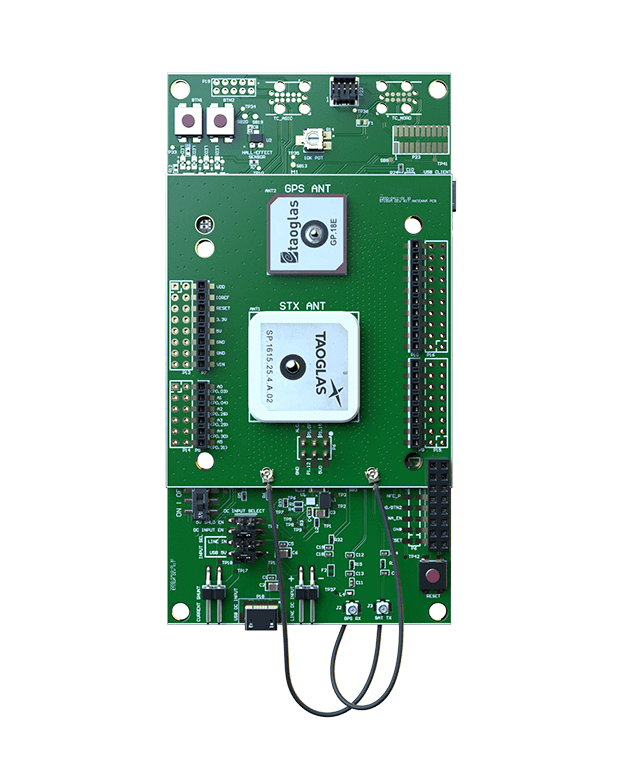 ST150M Dev Kit
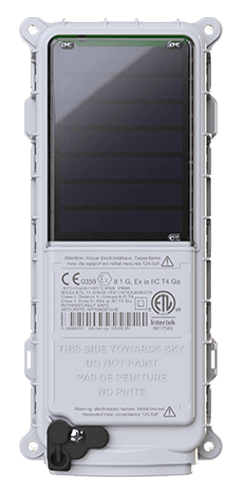 SmartOne Solar
 GSatSolar
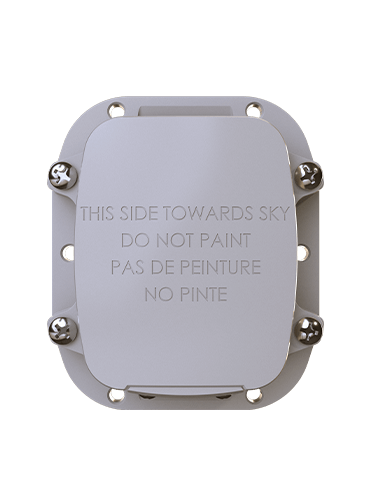 SmartOne C
 STX3
 STX3 Dev Kit

 SPOT X
 SPOT Gen4
 SPOT Trace

 GSP-1700
 GSP-1600
Scaling IoT Without Scaling Headaches: Operational Blind Spots in Modern Enterprise
Enterprise IoT adoption is transforming how organizations monitor assets, manage resources, and make operational decisions. From tracking equipment across remote job sites to monitoring critical infrastructure and managing geographically dispersed fleets, connected technologies are helping businesses operate with greater efficiency and visibility.
But as IoT deployments grow, so can the challenges of managing them.
What begins as a focused initiative to improve asset visibility can quickly evolve into a complex ecosystem of devices, connectivity providers, data platforms, and operational processes. Without a strategy for managing that complexity, organizations risk introducing new operational blind spots even as they invest in technologies designed to eliminate them.
For procurement officers and enterprise management teams, the challenge has moved beyond merely determining whether IoT can deliver value. The business case is now ensuring that IoT investments remain cost-effective, manageable, and reliable as deployments scale.
The Hidden Complexity Behind Enterprise IoT Growth
Scaling an IoT deployment involves more than purchasing additional devices or expanding connectivity coverage. Each new asset, location, or operational requirement can introduce additional considerations related to infrastructure, vendor management, maintenance, and data accessibility.
For organizations operating across multiple facilities, regions, or remote environments, these challenges can become particularly difficult to manage.
A solution that performs well in a controlled pilot environment may face very different conditions when deployed across hundreds or thousands of assets.
Connectivity availability may vary by location. Maintenance requirements may increase. Multiple technology providers may introduce overlapping contracts, billing structures, and support responsibilities.
Individually, these challenges may appear manageable. Collectively, they can create significant operational inefficiencies and unexpected costs.
This is where enterprise IoT strategies can begin to lose momentum: not because the technology lacks potential, but because the operational complexity of supporting it grows faster than the value it delivers.
Five Operational Blind Spots That Can Undermine IoT ROI
For purchasing and management teams evaluating the long-term value of connected solutions, several operational blind spots deserve attention.
1. Connectivity Gaps That Limit Asset Visibility
An IoT solution is only as useful as the information it can reliably deliver.
Many enterprises depend on cellular connectivity to support connected operations. While cellular networks provide valuable coverage across developed areas, they may not consistently reach remote facilities, rural infrastructure, transportation corridors, or geographically dispersed assets.
When assets move beyond available coverage, organizations can lose access to the information needed to monitor location, condition, or operational status.
For procurement leaders, these connectivity gaps can undermine the business case for an IoT investment. Devices may be deployed and operational, but the organization may still lack the consistent visibility needed to support informed decisions.
The procurement consideration: Evaluate connectivity requirements based on where assets actually operate, not simply where network infrastructure is readily available.
Satellite IoT connectivity can help address these gaps by extending visibility into remote and underserved environments, supporting more consistent monitoring across distributed operations.
2. Unexpected Costs Beyond the Initial Deployment
The purchase price of an IoT device represents only one component of its total cost.
As deployments expand, organizations must also account for connectivity services, installation, maintenance, battery replacement, device management, and the labor required to support field operations.
These costs can become especially significant when assets are located in remote or difficult-to-access environments.
For example, a connected device that requires frequent maintenance may appear affordable during procurement but become considerably more expensive over its operational lifespan.
Similarly, managing multiple connectivity providers or maintaining separate solutions for different operating environments can increase administrative overhead.
The procurement consideration: Evaluate IoT investments through total cost of ownership (TCO), including recurring service costs, expected maintenance requirements, operational labor, and anticipated device lifespan.
Solutions designed for efficient power consumption, reliable remote communications, and simplified management can help organizations reduce the operational burden associated with large-scale deployments.
3. Fragmented Vendors and Disconnected Systems
As IoT programs expand, organizations may introduce different technologies to address specific operational needs.
One provider may support asset tracking, another may deliver environmental monitoring, and a third may manage connectivity for remote equipment.
While each solution may address an individual requirement, the resulting ecosystem can become difficult to oversee.
Fragmented vendor relationships may lead to inconsistent service agreements, multiple billing processes, disconnected reporting systems, and unclear accountability when issues arise.
For purchasing officers responsible for supplier performance and contract management, this fragmentation can make it harder to evaluate costs, maintain consistent service expectations, and identify opportunities for consolidation.
The procurement consideration: Prioritize solutions and providers that support integration, clear service responsibilities, and manageable long-term vendor relationships.
Reducing unnecessary complexity across the IoT ecosystem can help organizations improve operational coordination and strengthen oversight of technology investments.
4. Data Collection Without Actionable Insights
Connecting more assets does not automatically create better visibility.
As enterprises scale IoT programs, they may generate increasing volumes of information without establishing clear processes for turning that information into operational decisions.
Asset location updates, equipment status reports, and environmental data can provide valuable insights. However, that value depends on whether the information is accessible, relevant, and delivered at the right time.
Without clear reporting requirements or integration into existing workflows, organizations may struggle to translate connected data into measurable business outcomes. This can create a disconnect between the capabilities purchased and the operational improvements ultimately realized.
The procurement consideration: Define the business outcomes an IoT solution must support before evaluating its technical capabilities.
Whether the objective is reducing asset loss, improving equipment utilization, minimizing downtime, or supporting more efficient maintenance planning, successful deployments should be measured against clearly established operational KPIs.
5. Limited Flexibility as Business Needs Evolve
Enterprise requirements rarely remain static.
Organizations expand into new regions, add equipment, change suppliers, and adapt operational processes. IoT solutions must be able to support these changes without requiring extensive redesign or replacement.
A connectivity approach that works for one operating environment may not be sufficient when assets are deployed in new locations or across more challenging terrain. Similarly, solutions that require extensive customization or rely on restrictive technology ecosystems may limit future purchasing flexibility.
The procurement consideration: Assess scalability not only in terms of the number of connected devices, but also geographic reach, integration capabilities, deployment flexibility, and long-term operational requirements.
Investing in adaptable solutions can help organizations protect existing technology investments while preparing for future growth.
Building a More Scalable IoT Procurement Strategy
Avoiding operational blind spots requires a shift from evaluating individual devices and connectivity services to assessing the complete IoT operating model.
For enterprise purchasing and management teams, this means looking beyond immediate deployment requirements and considering how a solution will perform over time.
A scalable procurement strategy should address several important questions:
- Coverage: Will the solution support assets across all required operating environments, including remote or underserved locations?
- Total cost of ownership: What costs will the organization incur throughout the expected life of the deployment?
- Supplier accountability: Are service responsibilities, support processes, and performance expectations clearly defined?
- Operational integration: Can the data support existing systems, reporting requirements, and business workflows?
- Future expansion: Can the solution accommodate additional assets, new locations, and evolving operational needs without unnecessary complexity?
These considerations help procurement teams evaluate IoT investments as long-term operational capabilities rather than isolated technology purchases.
They also create a stronger foundation for collaboration between procurement, IT, finance, and operations stakeholders.
The Role of Satellite Connectivity in Simplifying Enterprise IoT
For organizations managing assets across large geographic areas, connectivity is a critical component of a scalable IoT strategy.
Traditional terrestrial networks can support many enterprise applications, but coverage limitations can create challenges when assets operate beyond established infrastructure.
Satellite IoT provides an additional connectivity option for monitoring assets and operations in remote or difficult-to-reach environments.
By extending connectivity beyond traditional network boundaries, satellite-enabled solutions can help organizations maintain visibility into equipment, infrastructure, and mobile assets that might otherwise remain disconnected.
For procurement and management teams, the benefits extend beyond connectivity itself.
More consistent access to operational information can support better asset oversight, more informed resource allocation, and reduced reliance on manual status checks or site visits.
Globalstar supports enterprise IoT applications through its owned and operated satellite network and a portfolio of connectivity solutions designed for a range of operational requirements. From asset tracking and remote monitoring to solutions supporting low-power, long-term deployments, Globalstar helps organizations extend connected operations into environments where terrestrial connectivity may be limited or unavailable.
For enterprises evaluating large-scale IoT investments, incorporating satellite connectivity into the broader strategy can help address geographic coverage gaps while supporting more resilient and flexible operations.
Scale Visibility, Not Complexity
The success of an enterprise IoT program should not be measured solely by the number of connected devices.
It should be measured by the operational improvements those devices make possible.
For procurement officers and enterprise management teams, that means selecting solutions that deliver reliable information, manageable long-term costs, clear supplier accountability, and the flexibility to support changing business requirements.
As IoT deployments grow, overlooking these considerations can create unnecessary complexity and weaken the return on technology investments.
But with the right approach to connectivity, procurement, and operational planning, organizations can expand asset visibility without proportionally increasing the burden of managing it.
Scaling IoT should make enterprise operations easier to manage, not harder.
Discover how Globalstar's satellite IoT solutions can help your organization extend asset visibility, support remote operations, and build a more scalable connectivity strategy.