 Login
Login


 RM200M
 RM200M Dev Kit
 Integrity 150
 ST150M
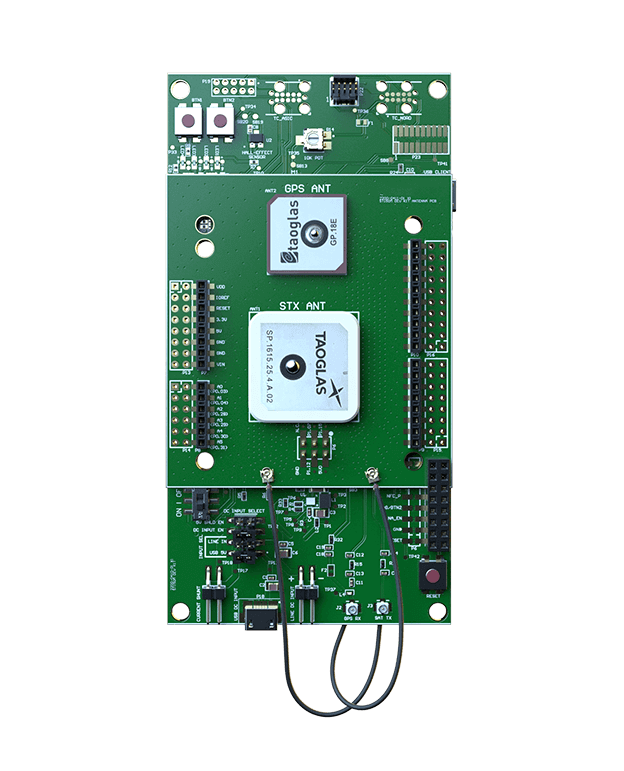 ST150M Dev Kit
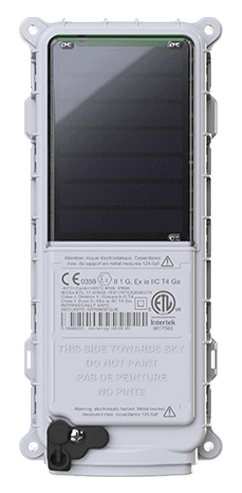 SmartOne Solar
 GSatSolar
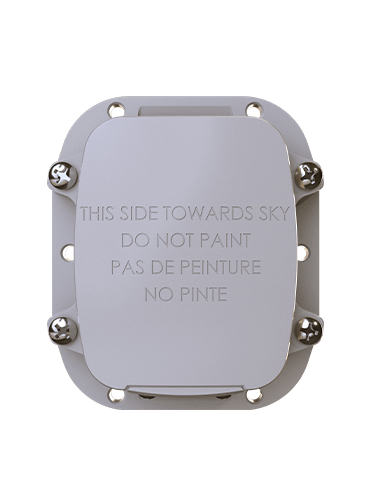 SmartOne C
 STX3
STX3 STX3 Dev Kit
 SPOT X
 SPOT Gen4
 SPOT Trace
 GSP-1700
 GSP-1600
Satellite IoT: The Unsung Enabler of Resilience
Operational resilience is often tested where businesses have the least visibility.
A critical asset stops moving, a terrestrial network goes down, severe weather disrupts transportation routes; and suddenly an operation that appeared connected has blind spots.
For C-suite and operations leaders, resilience increasingly depends on more than preparing to recover from disruption. It means building operations capable of maintaining visibility, adapting quickly, and continuing to function when normal infrastructure isn’t available.
That’s where satellite IoT can play an often overlooked role.
Resilience Starts with Visibility
The National Institute of Standards and Technology (NIST) defines operational resilience as the ability of systems to resist, absorb, recover from, or adapt to adverse events that could affect their ability to perform mission-related functions. Achieving that resilience requires information.
Organizations need to know where critical assets are, whether remote equipment is operating as expected, when conditions change, and where intervention may be required. When operations extend across rural highways, remote infrastructure, offshore environments, agricultural land, or other hard-to-reach locations, maintaining that visibility becomes more difficult.
Terrestrial connectivity is extensive, but it isn’t everywhere. And when operations depend exclusively on one form of connectivity, an outage or coverage gap can become an operational blind spot.
The Cybersecurity and Infrastructure Security Agency (CISA) notes that communications systems are necessary to monitor, control, and manage nearly every aspect of infrastructure operations, while communications infrastructure itself includes interconnected satellite, wireless, wireline, cable, and broadcast systems.
For business leaders, that makes connectivity an operational dependency.
Satellite IoT Adds Another Layer of Resiliency
Satellite IoT helps organizations extend connectivity beyond terrestrial infrastructure by connecting assets, equipment, and sensors directly through satellite networks.
The goal isn’t necessarily to replace cellular connectivity. It’s to help complement cellular connectivity and will always be available. That distinction matters.
FEMA’s continuity guidance emphasizes the value of redundant options across geographically dispersed locations when organizations plan for the systems and equipment required to sustain essential functions.
For an operations leader, satellite IoT can provide another communications path for assets and infrastructure located outside reliable terrestrial coverage or support a more resilient communications strategy when terrestrial connectivity is disrupted.
From Tracking Assets to Managing Exceptions
Asset tracking may be one of the most recognizable applications of satellite IoT, but resilience requires more than knowing where something is. The better opportunity is knowing when something requires attention.
Connected sensors can monitor equipment status, environmental conditions, location, movement, and other operational parameters. Rather than requiring teams to continuously monitor streams of raw data, IoT systems can be designed to identify exceptions and generate actionable alerts.
A logistics team could be alerted when a high-value asset deviates from its expected route. An energy operator could receive notification of changing conditions at a remote site. A fleet manger could identify equipment istle idle where it shouldn’t be. These key insights are delivered through connectivity that goes where terrestrial may not reach. For executives, the value is in earlier awareness and a greater opportunity to act before a problem becomes a larger disruption.
Supply chains, energy and utilities, transportation, and many more industries frequently find operations taking place far from conventional communications infrastructure.
FEMA’s approach to supply chain resilience similarly emphasizes understanding dependencies and disruptions so organizations can improve information sharing, coordination, and response.
Satellite IoT can help maintain a digital connection to the physical assets underpinning those operations. That can support:
- Business continuity: maintain visibility into remote operations when terrestrial connectivity is limited
- Asset utilization: Understand where equipment is located and how it’s being used
- Predictive operations: Use sensor data and alerts to identify conditions that may require intervention
- Supply chain visibility: Maintain greater awareness of mobile assts across remote routes and regions
- Risk management: Reduce blind spots by adding connectivity outside transactional network boundaries
The common denominator is information: getting operational data from the edge of the business back to the people and systems responsible for making decisions.
Building Resilience into the Connectivity Strategy
Globalstar’s low Earth orbit (LEO) satellite network extends IoT connectivity beyond the reach of traditional cellular infrastructure, helping organizations track, monitor, and manage remote assets and operations.
From compact embedded modules to rugged asset tracking devices and two-way satellite communications, satellite IoT can be incorporated into equipment, infrastructure, vehicles, and other connected assets based on the requirements of the application.
Increasingly, edge computing can take this a step further. Instead of sending every piece of raw data, connected systems can process information closer to where it is generated and transmit the data that matters, helping transform remote monitoring into actionable operational intelligence. For operations leaders, that that’s an important shift.
Resilience is Built Before Disruption
The real value of resilience rarely becomes obvious when everything is working as planned. It becomes apparent when a primary network fails or an asset moves outside coverage.
Satellite IoT may operate quietly in the background, but that’s precisely what makes it crucial.
By extending visibility, enabling redundancy, and delivering actionable data from places terrestrial networks can’t always reach, satellite IoT can help organizations build resilience directly into their operations before disruption puts it to the test.
Learn more about moving from blind spots to visibility in our recent eBook.