 Login


 RM200M
 RM200M Dev Kit
 Integrity 150
 ST150M
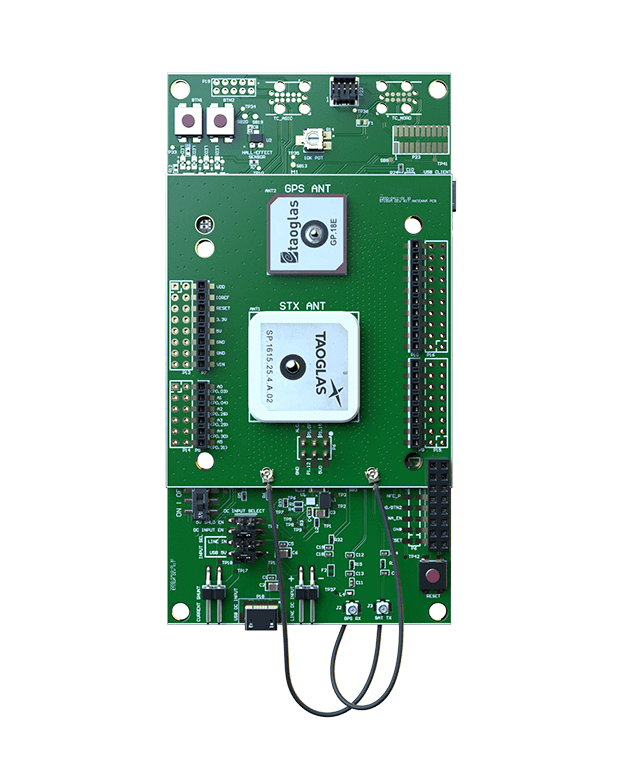 ST150M Dev Kit
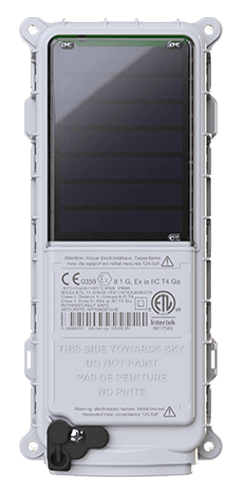 SmartOne Solar
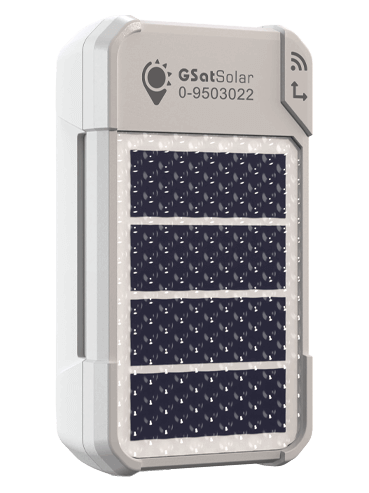 GSatSolar
 SmartOne C
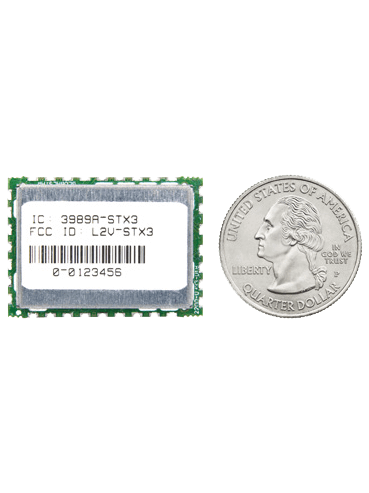 STX3
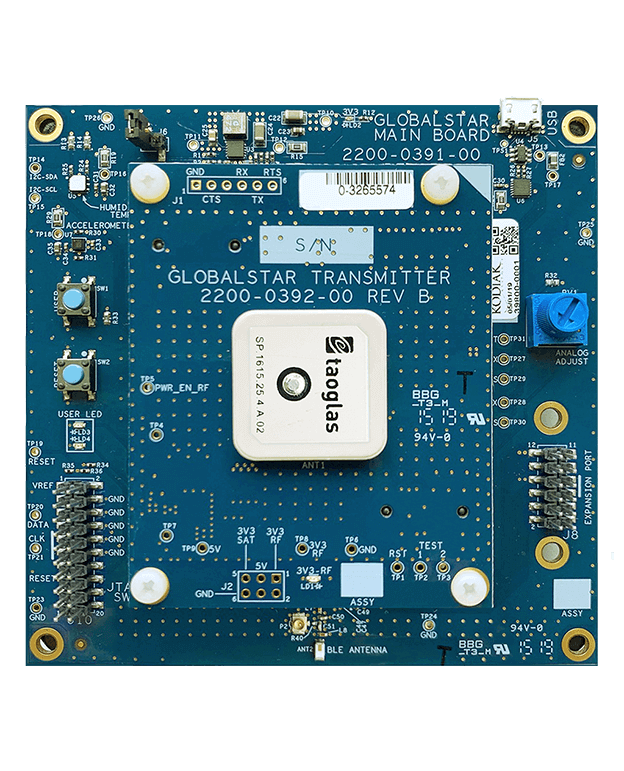 STX3 Dev Kit

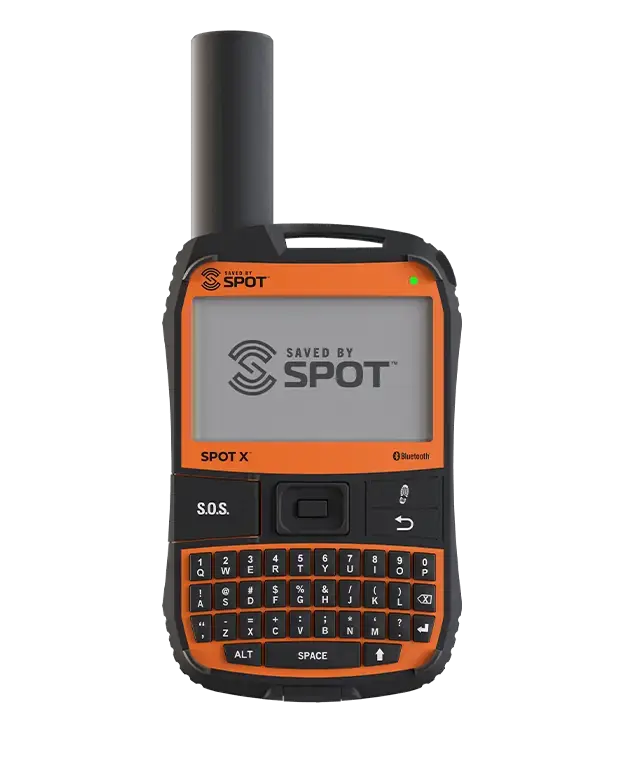 SPOT X
 SPOT Gen4
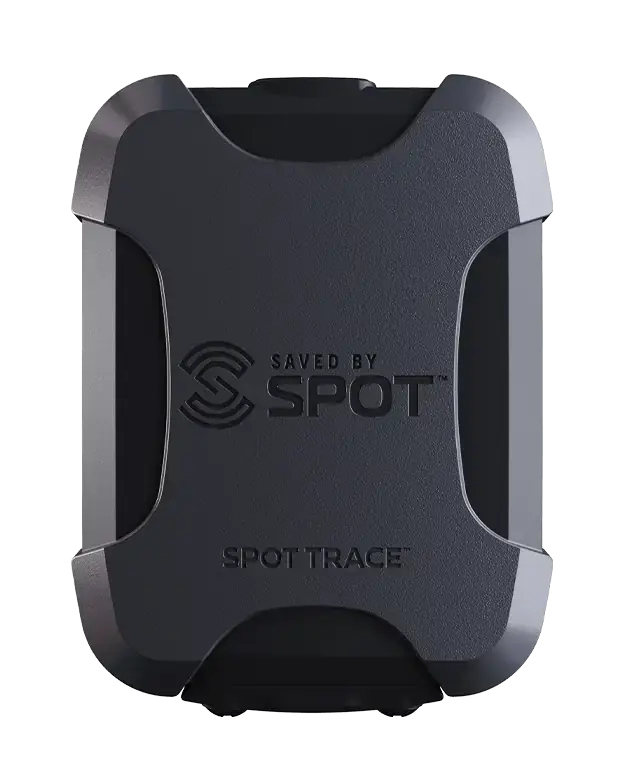 SPOT Trace

 GSP-1700
 GSP-1600
Not All Satellite IoT is the Same: 7 Questions to Ask Before You Buy
When assets operate beyond reliable cellular coverage, satellite IoT can provide the connectivity needed to maintain visibility, collect critical data, and support operations from virtually anywhere.
And demand is growing. According to IoT Analytics, satellite IoT connections reached 7.5 million globally in 2024, while the market for satellite IoT connectivity and equipment is projected to grow at a 26 percent compound annual growth rate through 2030, reaching $4.7 billion.
But choosing satellite connectivity is not as simple as checking a coverage map.
Satellite IoT solutions can differ significantly in how they communicate, how much power they require, the devices and form factors available, how they integrate into existing operations, and what it takes to manage them over time. The network behind the solution matters, too.
For IoT solutions managers, product teams, operations leaders, and purchasing professionals, that means evaluating more than whether a provider can establish a satellite connection.
Before making an investment, consider these seven questions.
1. Where Will My Assets Actually Operate?
Start with the asset, not the technology.
Will devices remain in one remote location, or move across a large geographic area? Will they operate primarily outside cellular coverage, or regularly transition between connected and disconnected environments? What environmental conditions will the hardware encounter?
Despite the reach of terrestrial networks, gaps remain. GSMA reported that in 2024, approximately 4 percent of the world's population, around 300 million people, lived outside mobile broadband coverage. GSMA also notes that satellite technology has a role beyond populated coverage gaps by providing connectivity in uninhabited areas such as transport corridors and maritime environments.
For IoT deployments, that distinction is important. Assets are not limited to where people live. Equipment, vehicles, infrastructure, livestock, vessels, and other assets may operate across remote or sparsely populated environments where terrestrial coverage is unavailable.
A solution designed for a stationary tank monitor may also have very different requirements from one tracking mobile equipment, trailers, livestock, or assets moving through a supply chain.
Understanding where and how assets operate can help determine the appropriate connectivity architecture, device type, power source, and reporting strategy. It can also reveal whether satellite should serve as the primary communications method or complement terrestrial connectivity.
2. What Information Do I Actually Need?
More data is not always better data.
For many IoT applications, organizations do not need a continuous stream of information. A location update, equipment status, sensor reading, threshold alert, or notification that an asset has moved may provide everything needed to make a decision.
Before selecting a solution, determine what information is truly actionable and how frequently it needs to be communicated.
This can influence everything from device configuration and power consumption to connectivity requirements and operating costs. In some applications, edge intelligence can also allow data to be evaluated locally so that only meaningful information or events need to be transmitted.
The goal should not be to transmit everything an asset can tell you. It should be to reliably deliver the information your operation can use.
3. Does the Hardware Fit the Application?
There is no single ideal form factor for every satellite IoT deployment.
Some organizations may want a communications module that can be integrated into an OEM product. Others need a finished, deployable device. Depending on the application, that device may need battery, solar, or line power, environmental protection, positioning capabilities, sensor interfaces, or other functionality.
Purchasing teams should therefore evaluate the complete hardware ecosystem, not simply the connectivity specification.
And buyers appear to place significant value on how well a solution fits into their broader environment. In a 2025 IoT Analytics survey of 100 asset-tracking decision-makers, integration received an importance rating of 7.9 out of 10 when selecting a solution, nearly equal to cost at 8.1 and security at 7.9.
Consider how the device will be installed, what additional components are required, whether it can withstand the operating environment, and how much engineering work will be necessary before deployment.
The right satellite IoT solution should fit the asset and application, not force the application to fit the technology.
4. What Are My Power Requirements?
Power can determine whether an IoT deployment is practical in the field.
Some assets can support a line-powered device. Others require battery-powered equipment, while long-term remote deployments may benefit from solar-powered options. The right choice depends on the asset, environment, reporting frequency, and expected deployment life.
That makes it important to look beyond a device's basic specifications.
How often will it communicate? How will its reporting behavior affect energy consumption? How difficult will it be to access the device for battery replacement or maintenance? Could the selected power source support the application for the required length of time?
For remote IoT, every unnecessary maintenance visit can add time, expense, and operational complexity. A connectivity solution isn't truly remote if someone constantly has to visit the device to keep it running.
5. Who Operates the Network Behind the Solution?
The device is only one part of a satellite IoT solution. Behind it is the network responsible for carrying the data.
That makes the relationship between the hardware, connectivity provider, and satellite network worth understanding.
Is the company providing the IoT solution also responsible for the satellite network, or are multiple providers involved? Who manages network performance? Where does technical support come from? If an issue occurs, how many organizations sit between the customer and the underlying connectivity?
These questions matter because buyers increasingly look beyond the feature list when evaluating IoT vendors. In the same IoT Analytics research, 34 percent of adopters cited customer service as a reason for high vendor satisfaction, while 29 percent cited integration.
A vertically integrated provider that operates its own satellite network can offer a more direct relationship between the connectivity infrastructure and the IoT solution running on it.
Globalstar owns and operates its LEO satellite constellation and supporting ground infrastructure, while also providing IoT connectivity and hardware solutions. That integrated model gives customers a single provider across multiple layers of the satellite IoT ecosystem rather than separating the device and underlying satellite connectivity into entirely unrelated pieces.
For organizations evaluating a long-term deployment, understanding who actually owns and operates the infrastructure supporting their devices should be part of the purchasing conversation.
6. What Will the Deployment Really Cost?
Device price and connectivity fees are easy to compare. Total cost of ownership can be more complicated.
Hardware, airtime, installation, integration, batteries, accessories, maintenance, field service, and device management can all contribute to the cost of an IoT deployment over its lifetime.
Those differences become increasingly important at scale.
Recent research suggests buyers are right to consider both cost and return. IoT Analytics found that organizations spend an average of $110 per asset annually on tracking inventory, equipment, or vehicles. At the same time, 74 percent of the asset-tracking projects surveyed met or exceeded ROI expectations.
That does not mean every IoT deployment will achieve the same return. It does reinforce the importance of evaluating what an organization receives for its investment rather than selecting technology based solely on its upfront price.
A lower hardware cost, for example, may provide little advantage if a solution requires additional components or frequent maintenance. Conversely, a device with a power architecture better suited to the application could reduce the number of physical interventions required over the deployment's life.
Rather than asking only, “What does the device cost?”, purchasing teams should ask, “What will it cost to keep this asset connected for the next several years?”
7. Can the Solution Grow with My IoT Strategy?
An IoT deployment that begins with a few hundred assets may eventually include thousands. Requirements can evolve, too.
An organization that initially needs basic asset location may later want additional sensor information, different reporting behavior, new power options, or connectivity across additional types of assets.
That makes scalability about more than network capacity.
Consider whether the provider offers different device types, power configurations, integration options, and connectivity approaches that can support changing applications. Also consider how easily devices and data can be managed as the deployment grows.
With the satellite IoT market projected to expand rapidly through the end of the decade, organizations should consider not only whether a provider can support today's deployment, but whether its technology, infrastructure, and product ecosystem are positioned to support changing requirements over time.
The question is not simply whether the solution meets today's requirements. It is whether the underlying technology, network, and provider can continue supporting the organization as those requirements change.
Look Beyond the Connection
Satellite IoT can extend connectivity to assets and operations that terrestrial networks cannot consistently reach. But coverage alone does not determine whether a solution is right for an organization.
The device matters. Power matters. Data requirements matter. Integration and long-term operating costs matter. And the network and provider supporting the deployment matter.
For IoT solutions managers and purchasing teams, asking these questions before selecting a satellite IoT solution can help uncover differences that may not be obvious from a specification sheet.
Learn more about IoT satellite connectivity in this guide.