 Login
Login


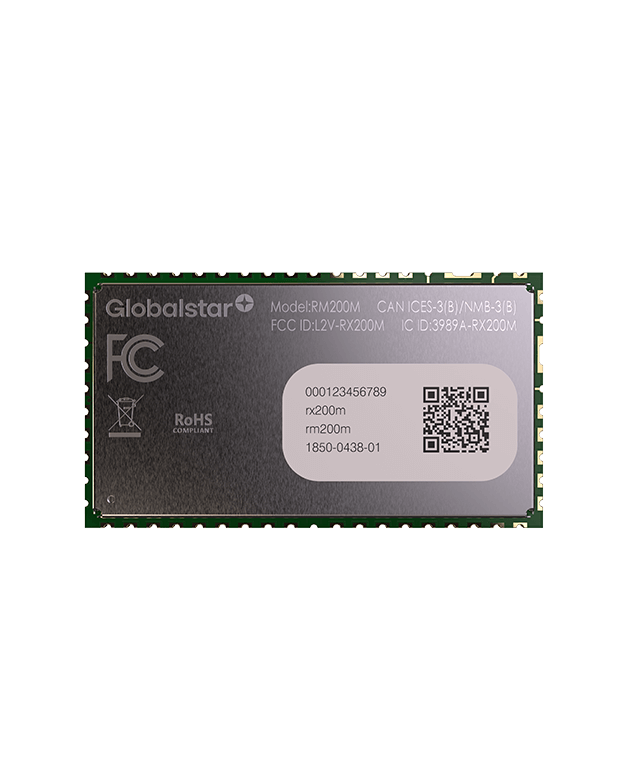 RM200M
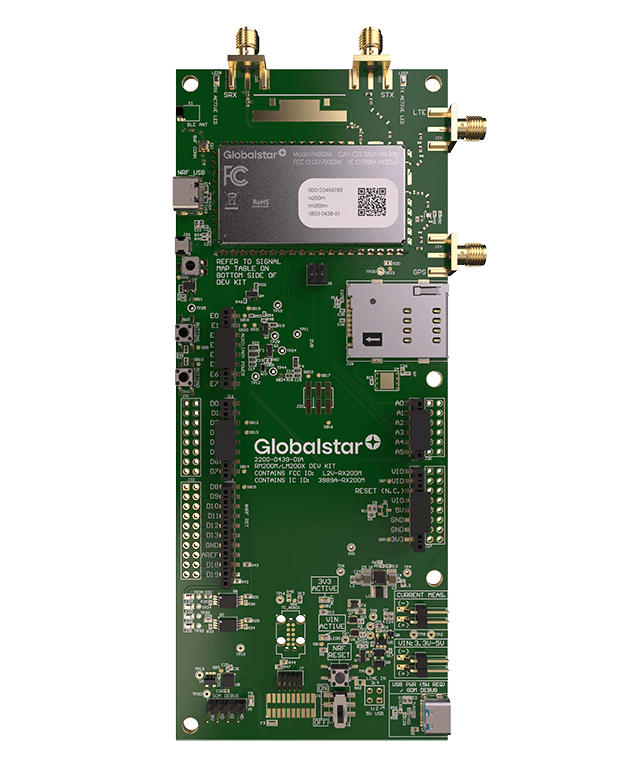 RM200M Dev Kit
 Integrity 150
 ST150M
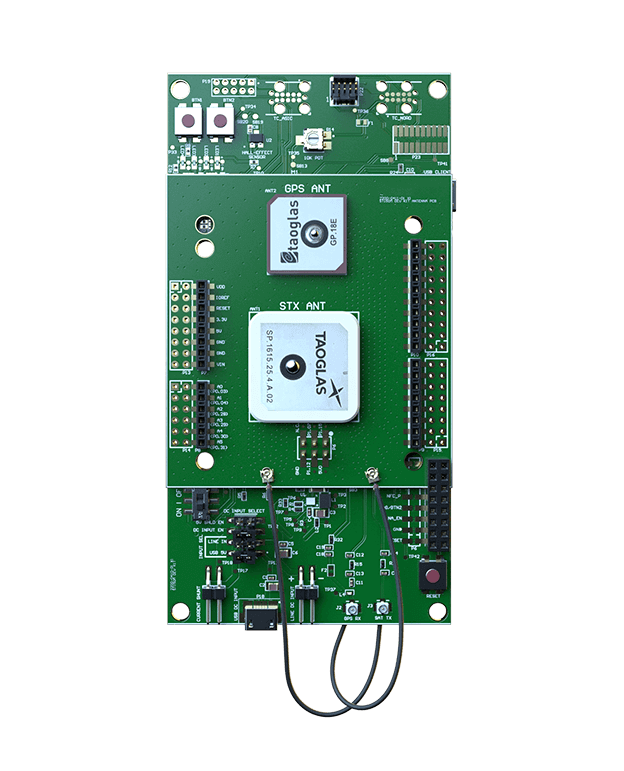 ST150M Dev Kit
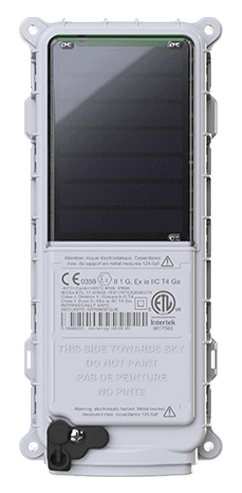 SmartOne Solar
 GSatSolar
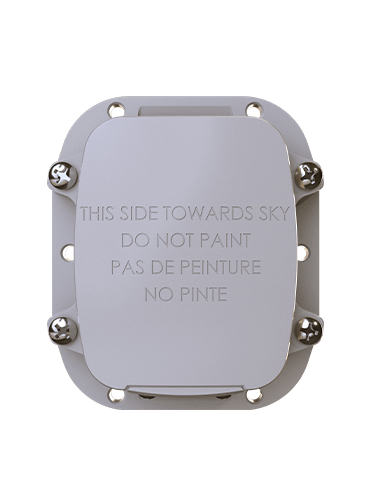 SmartOne C
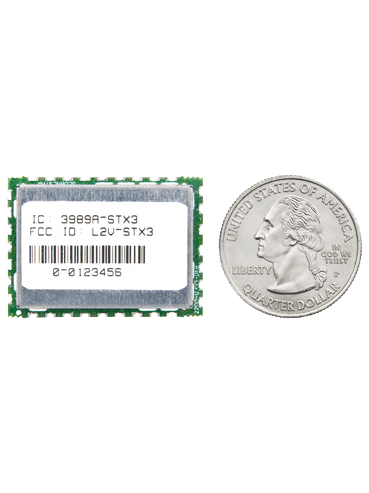 STX3
STX3 STX3 Dev Kit
 SPOT X
 SPOT Gen4
 SPOT Trace
 GSP-1700
 GSP-1600
Managing Remote Assets Without Remote Control: A Growing Risk in Operations
Whether it's utility infrastructure, industrial tanks, environmental sensors, fleet equipment or remote monitoring stations, organizations today rely on distributed assets more than ever before. These assets are often spread across hundreds—or even thousands—of locations, many of them beyond the reach of reliable terrestrial networks.
Yet for many organizations, one challenge remains surprisingly common: managing remote assets without dependable visibility into what they're doing. The result is an operational risk.
The Cost of Not Knowing
Every remote asset represents an investment. But without timely operational data, that investment can quickly become a liability. Organizations that lack real-time visibility often rely on scheduled inspections, manual reporting or reacting only after a problem has already occurred. The consequences can include:
- Unexpected equipment downtime
- Emergency maintenance and truck rolls
- Lost productivity
- Delayed decision-making
- Increased safety risks
- Higher operating costs
- Over- or understocking
According to McKinsey, maintenance costs can account for 20 to 60 percent of operating expenses for organizations managing distributed assets, with labor and travel representing a significant portion of those costs. Limited remote information often leads to unnecessary maintenance trips, manual inspections and slower emergency response times.
Visibility Drives Better Decisions
Reliable data enables organizations to shift from reactive maintenance to proactive operations.
Instead of asking "What happened?" after an issue occurs, operations teams can ask:
- Is this asset performing at maximum capacity?
- Does maintenance need to be scheduled before failure occurs?
- Are utilization levels maximizing capacity or capability?
- Can field resources be deployed more efficiently?
The business impact is significant. McKinsey estimates that predictive maintenance enabled by IoT can reduce maintenance costs by 10 to 40 percent, decrease equipment downtime by up to 50 percent, and extend equipment life enough to reduce capital expenditures by 3 to 5 percent. Additionally, running equipment near or at 100 percent capacity allows for right sizing fleets. Depending on the industry, this can reduce equipment requirements up to 10 percent.
For operations leaders, that translates into more predictable budgets, improved asset utilization and fewer costly disruptions.
Connectivity Shouldn't Stop Where Cellular Coverage Ends
Many critical assets are intentionally located where traditional communications infrastructure is limited.
Agricultural equipment operates across vast rural landscapes. Environmental monitoring stations are positioned in remote ecosystems. Utility infrastructure stretches across mountains, forests and deserts. Construction equipment moves from project to project.
These environments demand resilient connectivity, not just when cellular service is available, but when it isn't.
Industry analysts expect this need to continue growing. Gartner forecasts that enterprise spending on LEO satellite communications services will reach $14.8 billion globally in 2026, with IoT connectivity spending growing 32 percent year over year, driven by organizations seeking reliable connectivity for remote assets and operations.
Procurement Decisions Are About More Than Price
When evaluating connectivity solutions, procurement teams naturally compare hardware costs.
But the true cost of ownership extends well beyond the purchase price.
Questions worth asking include:
- How much downtime can be avoided?
- How many unnecessary truck rolls can be eliminated?
- How much engineering effort is required for deployment?
- How scalable is the solution as operations grow?
- Will it continue supporting the business as new requirements emerge?
- Do equipment needs meet capacity in order to accurately project schedules?
McKinsey notes that remote diagnostics and analytics-based maintenance can reduce unnecessary field visits while helping technicians arrive with the right tools and parts the first time. In one example, an analytics-driven maintenance program reduced maintenance costs by 18 to 25 percent while improving uptime and customer experience.
Looking beyond the initial purchase price often reveals where the greatest operational savings can be realized.
Building Resilience into Operations
As organizations continue digitizing their operations, connectivity is becoming a strategic business capability not simply a technical requirement.
Reliable communications provide the visibility needed to make faster decisions, optimize maintenance schedules, improve worker safety and maximize asset performance.
Organizations that invest in resilient connectivity today will be better positioned to manage increasingly complex asset networks tomorrow.
Supporting Smarter Remote Operations with RM200M
For organizations managing assets in both connected and remote environments, the Globalstar RM200M multimode communications module helps simplify deployment while improving operational resilience.
Designed to combine terrestrial and satellite connectivity in a single module, the RM200M enables devices to maintain communications across a wide range of operating environments. Whether monitoring critical infrastructure, industrial equipment, environmental sensors or mobile assets, the RM200M helps organizations stay connected where it matters most.
Managing remote assets is challenging enough without having to worry about connectivity. The RM200 simplifies remote monitoring by taking the guesswork out of asset visibility and control. With intelligent connectivity built into a single device, it automatically selects the best available network and delivers critical field data where you need it—regardless of location, so organizations can focus on running operations, not managing communications.
By providing resilient connectivity, organizations can gain greater visibility into remote operations, reduce unexpected downtime and make more informed decisions based on timely operational data.
Ready to improve visibility across your remote operations?
Explore the RM200M to learn how hybrid terrestrial and satellite connectivity can help support your next IoT deployment.