 Login


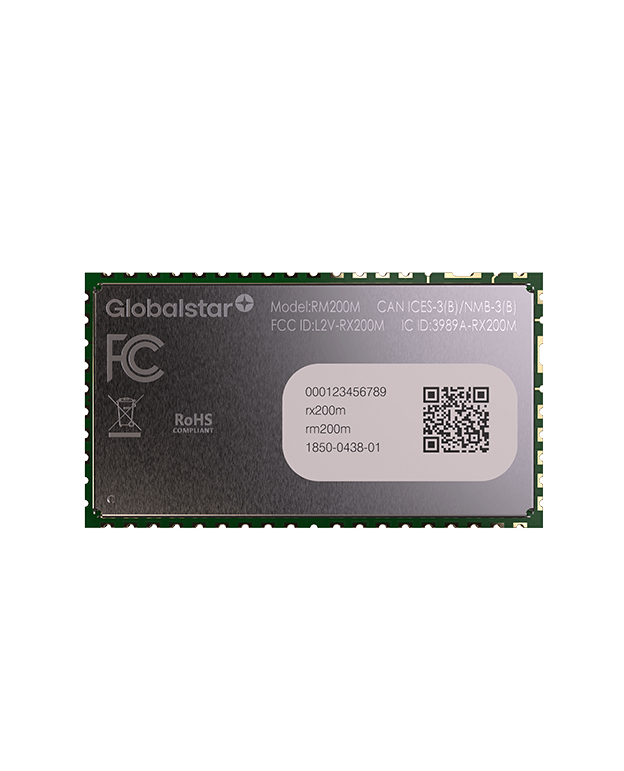 RM200M
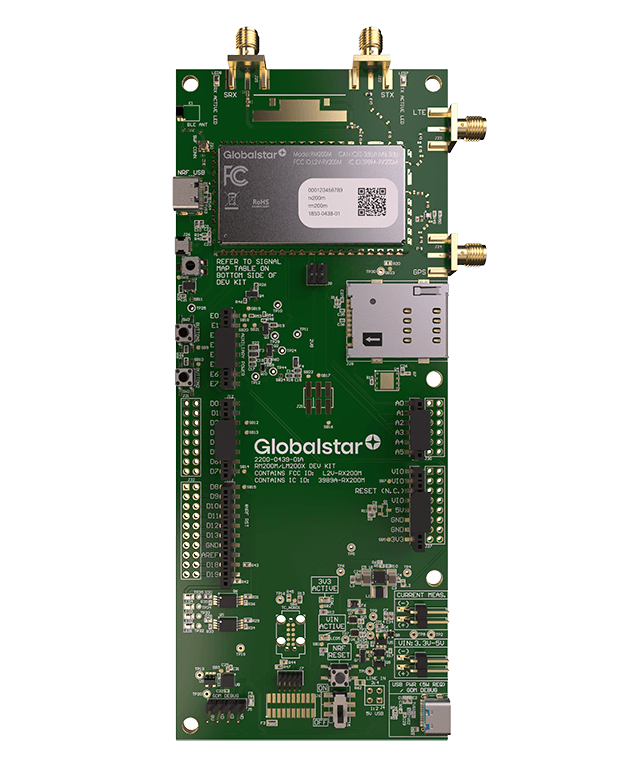 RM200M Dev Kit
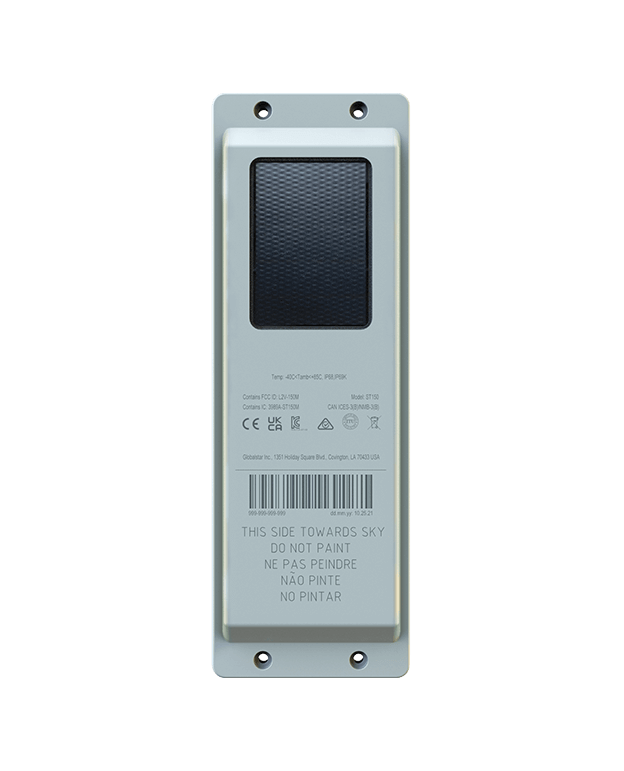 Integrity 150
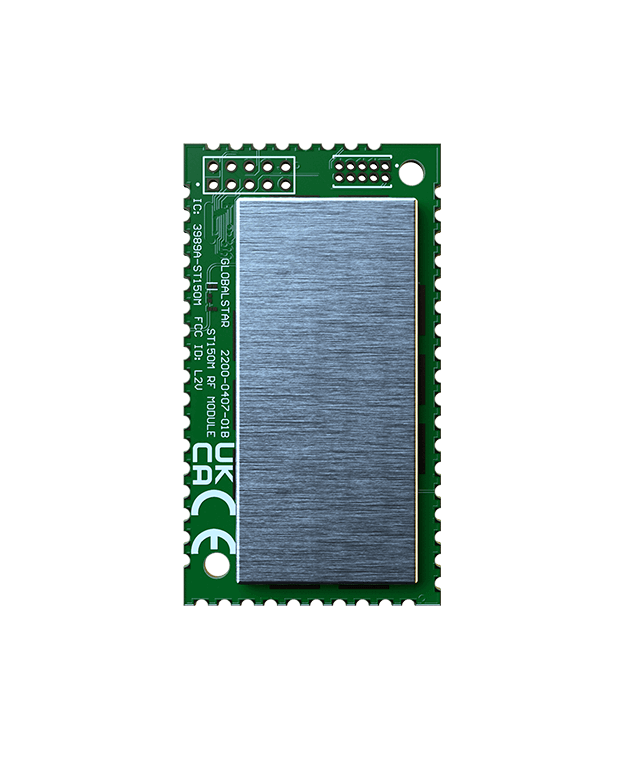 ST150M
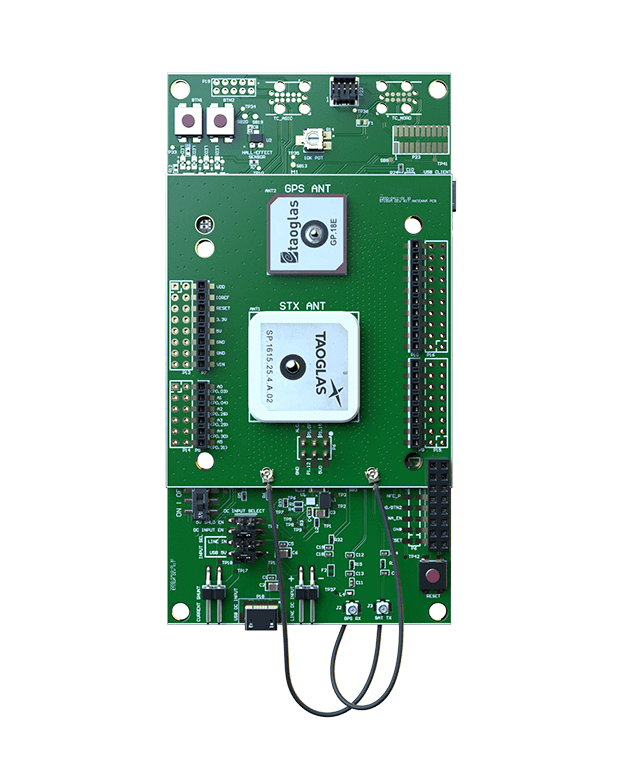 ST150M Dev Kit
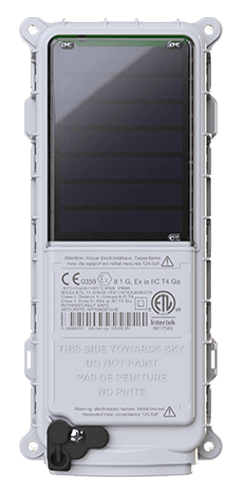 SmartOne Solar
 GSatSolar
 SmartOne C
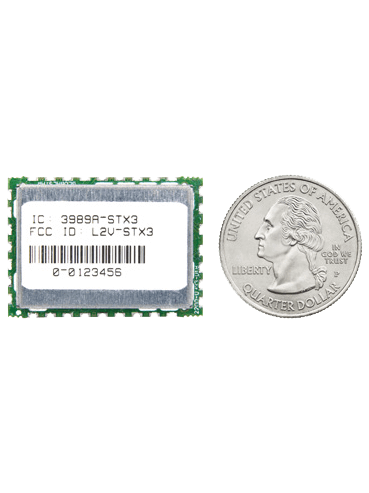 STX3
 STX3 Dev Kit

 SPOT X
 SPOT Gen4
 SPOT Trace

 GSP-1700
 GSP-1600
Scaling IoT Without Scaling Headaches: Operational Blind Spots in Modern Enterprise
For value-added resellers (VARs) and IoT solution providers, cellular connectivity has long been a foundation for developing connected products. From asset tracking and industrial monitoring to fleet management and remote sensing, cellular networks have enabled businesses to collect data, monitor equipment, and improve operational visibility.
However, as IoT deployments expand into more remote and challenging environments, cellular connectivity alone may not always meet application requirements. Coverage gaps, limited infrastructure, and geographically dispersed assets can create communication challenges that impact the performance and reliability of connected solutions.
For VARs already experienced in developing cellular IoT solutions, integrating satellite connectivity presents an opportunity to expand their capabilities, support new applications, and address connectivity challenges for existing customers.
While many principles of cellular IoT development also apply to satellite, there are important technical differences to consider. Understanding these differences early in the design process can help solution providers optimize performance, manage power consumption, and simplify integration.
Understanding the Differences Between Cellular and Satellite IoT
Before incorporating satellite connectivity into an existing IoT architecture, developers should understand how satellite communication differs from traditional cellular networks.
Cellular IoT solutions typically communicate through terrestrial infrastructure, transmitting data over networks that support a range of bandwidth, latency, and power requirements. Depending on the technology and application, these systems may support frequent data transmissions, larger payloads, and persistent connections.
Satellite IoT operates differently. Devices communicate through satellites rather than relying exclusively on terrestrial infrastructure, extending connectivity to locations where cellular coverage may be unavailable or inconsistent.
However, satellite IoT technologies vary significantly in their capabilities. Factors such as network architecture, message size, transmission frequency, latency, and whether communication is one-way or two-way can influence how an application should be designed.
For example, an asset tracking application that transmits GPS coordinates several times per day may be well suited to a compact, low-power satellite solution. An industrial monitoring application requiring remote commands or configuration updates may benefit from two-way satellite communication.
The key is to design around the application's actual communication requirements rather than attempting to replicate cellular transmission behavior over satellite.
1. Choose the Right Connectivity Architecture
One of the first decisions VARs should make is whether satellite will serve as the primary communication method or complement an existing cellular connection.
There are several approaches to consider.
Satellite-Only Connectivity
For assets operating primarily in remote environments, satellite-only connectivity may provide a practical solution. Applications such as remote tank monitoring, environmental sensing, and equipment tracking often require periodic transmission of relatively small amounts of data rather than continuous communication.
Hybrid Cellular-Satellite Connectivity
For applications that move between areas with and without cellular coverage, combining cellular and satellite connectivity can provide greater flexibility.
A hybrid architecture may prioritize cellular connectivity when available and use satellite when cellular service is unavailable or does not meet predefined communication requirements.
This approach requires careful consideration of connectivity switching, message routing, data synchronization, and power consumption.
Satellite as an Additional Communication Path
Some applications may benefit from retaining cellular as the primary network while using satellite for selected events, such as critical alerts or scheduled status reports from remote locations.
Regardless of the architecture, developers should gather the expected traffic profile for their use case and operating environments to evaluate the best connectivity architecture.
2. Optimize Data Payloads and Transmission Frequency
Data efficiency is an important consideration when integrating satellite connectivity.
Cellular IoT developers may be accustomed to transmitting detailed sensor readings, frequent location updates, or relatively large data packets. Satellite IoT applications often benefit from a more selective approach.
Rather than transmitting every available data point, developers should identify which information is necessary to support the intended business outcome.
For example, a remote equipment monitoring solution may collect temperature, pressure, battery voltage, and operational status. Instead of transmitting all sensor readings continuously, the device could process information locally and transmit only periodic summaries or alerts when predefined thresholds are exceeded.
Several techniques can improve data efficiency:
- Payload optimization: Use compact data structures and avoid transmitting unnecessary metadata.
- Event-driven reporting: Trigger transmissions when meaningful changes or abnormal conditions occur.
- Edge processing: Analyze sensor data locally before deciding what information needs to be transmitted.
By reducing unnecessary transmissions, VARs can create more efficient applications while potentially improving battery life and managing communication costs.
3. Design for Variable Connectivity and Message Delivery
Another important consideration is how applications handle message transmission and delivery.
Cellular solutions may be designed around relatively frequent network availability. Satellite IoT applications should account for factors such as satellite visibility, antenna orientation, environmental obstructions, and network-specific transmission behavior.
Developers should avoid assuming that every message will be delivered immediately or that the application will maintain a continuous connection.
Instead, applications should be designed to handle temporary communication interruptions without losing important information.
Depending on the device and network capabilities, this may involve implementing local data buffering, message prioritization, retry mechanisms, and transmission status monitoring.
For applications where delivery confirmation is required, developers should also evaluate whether the selected satellite technology supports acknowledgments or two-way messaging.
For example, a remote sensor might store measurements locally when a transmission cannot be completed and attempt to send the data during a subsequent communication opportunity.
For critical alerts, the application may use a different transmission strategy than it uses for routine status updates.
Building these considerations into the architecture from the beginning can help improve reliability and prevent avoidable integration challenges.
4. Prioritize Power Management and Edge Processing
Power consumption is a major design consideration for remote IoT deployments, particularly when devices operate on batteries or solar power.
Many satellite-connected assets are deployed in locations where frequent battery replacement or maintenance visits are impractical.
Developers should evaluate the complete power requirements of the solution, including sensors, processors, positioning systems, and communication components.
Transmission frequency is only one part of the equation. GPS acquisition, sensor sampling, local processing, and idle power consumption can also influence overall battery life.
A well-designed application should balance data collection requirements with energy efficiency.
For example, an asset tracking device may remain in a low-power state until movement is detected. It could then collect location information, evaluate the event, and transmit an update only when necessary.
Edge computing can further improve efficiency by allowing devices to process data locally instead of transmitting every measurement to a centralized platform.
Globalstar's Realm Enablement Suite supports edge application development and sensor integration, allowing developers to create solutions that process information closer to the source.
For VARs, incorporating edge intelligence can help reduce unnecessary satellite transmissions while maintaining the operational information customers need.
5. Account for Antenna Design and Installation Conditions
Antenna integration is another area where satellite IoT development requires careful planning.
Unlike cellular devices, which may communicate with multiple nearby terrestrial base stations, satellite devices must establish a suitable radio-frequency communication path with satellites. Antenna selection, placement, orientation, and surrounding materials can significantly influence communication performance.
For embedded solutions, developers should evaluate antenna requirements early in the hardware design process rather than treating them as a final implementation detail.
Important considerations include antenna compatibility with the selected module, enclosure materials, ground-plane requirements, potential interference, and the device's expected installation environment.
For example, a satellite-enabled tracking device mounted on a shipping container may experience different communication conditions than a sensor installed on an exposed utility structure.
Metal enclosures, nearby equipment, and physical obstructions can affect signal propagation and should be evaluated during testing. VARs should also consider whether the final device will remain stationary or operate in different orientations during normal use.
Testing antenna performance under realistic installation conditions can help identify issues before large-scale deployment.
6. Validate Performance Before Scaling Deployment
Even when a satellite module is technically compatible with an existing solution, laboratory testing alone may not accurately represent real-world operating conditions.
VARs should establish a structured validation process that evaluates the complete solution, including hardware, firmware, connectivity, and backend integration.
Field testing should reflect the environments where customers will actually deploy devices.
For example, a solution intended for agricultural equipment should be tested under realistic mounting, movement, and environmental conditions. Similarly, a remote infrastructure monitoring device should be evaluated with its final enclosure and antenna configuration.
Testing should assess factors such as successful message delivery, transmission timing, power consumption, location accuracy, and application behavior during connectivity interruptions.
For hybrid solutions, developers should also validate network selection and switching behavior.
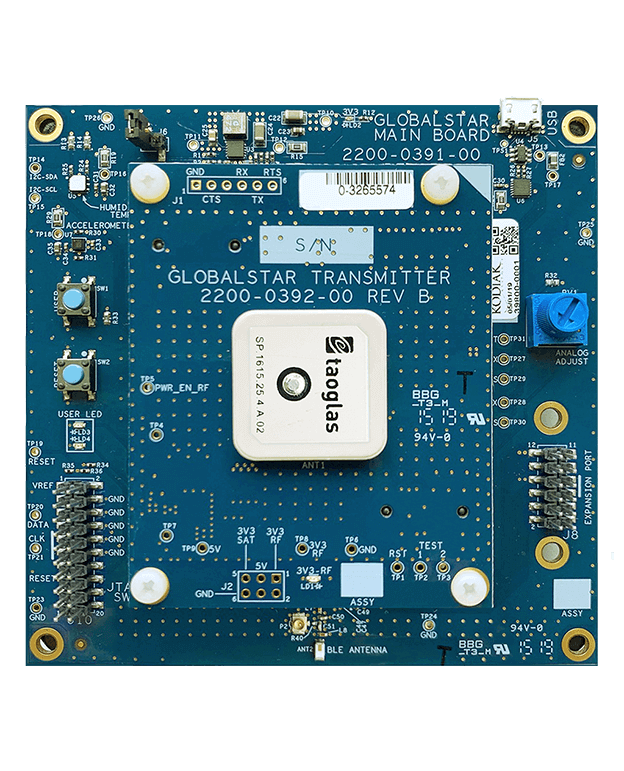
Development kits can help accelerate this process by providing access to supported hardware interfaces, software tools, and documentation before committing to a production design.
Globalstar offers embedded satellite modules and development resources for different application requirements, including one-way data transmission, edge-enabled processing, and two-way communication.
VARs should also account for applicable regulatory requirements and network certification early in the development cycle to avoid unexpected delays before commercialization.
Build Beyond Cellular with Globalstar
Successful satellite IoT integration starts with choosing the right technology, optimizing the application architecture, and validating performance under real-world conditions.
Globalstar supports VARs, OEMs, and solution providers with a portfolio of satellite IoT technologies designed for a range of connectivity requirements.
From embedded modules and development kits to market-ready tracking and monitoring devices, Globalstar provides options for integrating satellite connectivity into new and existing IoT solutions.
Backed by its owned and operated low Earth orbit (LEO) satellite network, Globalstar helps solution providers extend connectivity beyond traditional cellular infrastructure and develop solutions for challenging operating environments.
Ready to expand your IoT portfolio with satellite connectivity?
Explore Globalstar's embedded satellite technologies, development resources, and integration capabilities to find the right approach for your next IoT solution.