 Login
Login


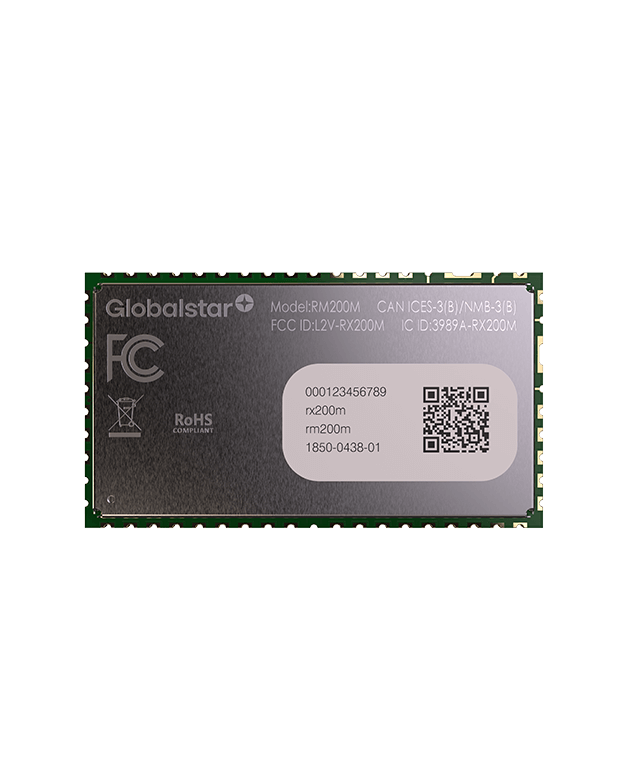 RM200M
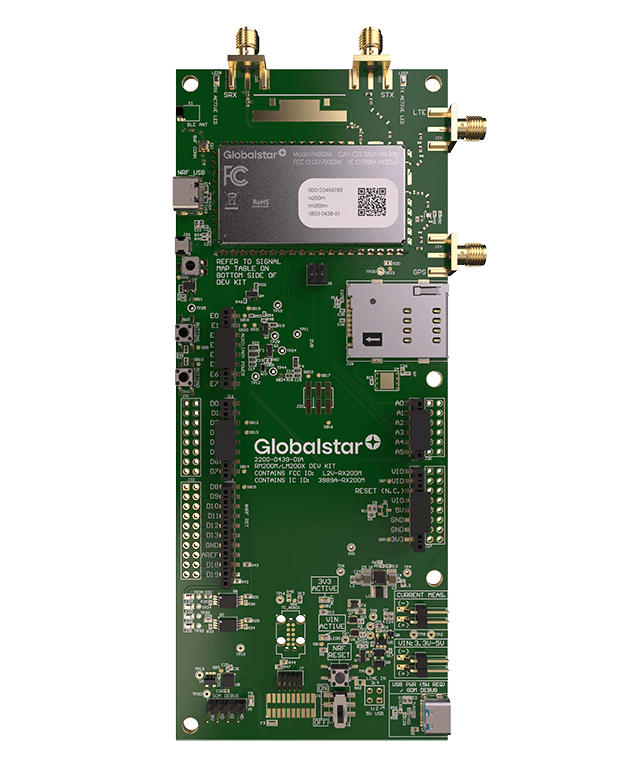 RM200M Dev Kit
 Integrity 150
 ST150M
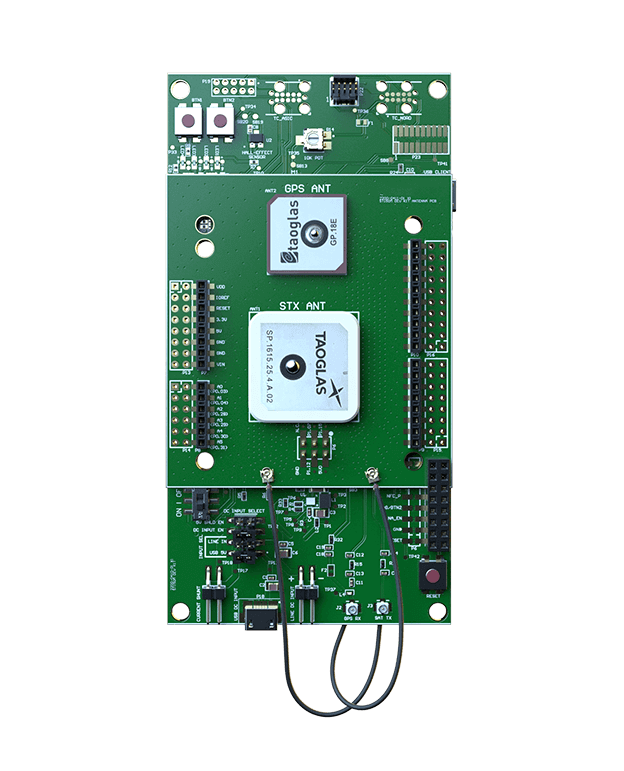 ST150M Dev Kit
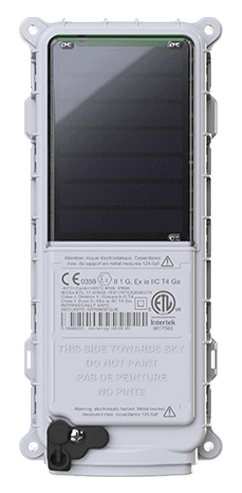 SmartOne Solar
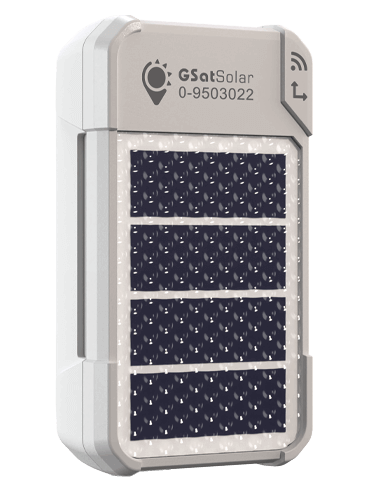 GSatSolar
 SmartOne C
 STX3
STX3 STX3 Dev Kit
 SPOT X
 SPOT Gen4
 SPOT Trace
 GSP-1700
 GSP-1600
Five Questions Every IoT Developer Should Ask Before Choosing a Connectivity Module
The success of an IoT deployment isn't determined by the module you choose but rather it is determined by whether that module can support your application from prototype to production.
Whether you're designing a remote monitoring device, industrial sensor, asset tracker or critical infrastructure solution, selecting the right connectivity module is one of the most important engineering decisions you'll make. It's about more than specifications on a datasheet. The right solution should simplify development, reduce deployment risk and support your product as it scales.
Just as importantly, your connectivity solution should be able to evolve alongside your business. As requirements change, applications become more sophisticated and new technologies emerge, you'll want a module and platform that can support future technical capabilities and an expanding feature set without requiring a complete redesign. Planning for tomorrow's needs today can help extend product lifecycles, reduce development costs and accelerate future innovation.
Before making your decision, here are five questions every IoT developer should ask.
1. Will it keep my device connected where my customers actually operate?
Many IoT applications extend well beyond the reach of traditional cellular networks. Agricultural operations, utility infrastructure, environmental monitoring, transportation corridors and remote industrial sites all present connectivity challenges that can't always be solved with terrestrial networks alone.
When evaluating a connectivity module, consider how it performs when cellular coverage is unavailable. Does it require multiple hardware designs? Can it seamlessly support satellite connectivity? Will your customers experience gaps in service?
A multimode connectivity solution allows devices to leverage cellular connectivity when available while maintaining communications through satellite when needed, providing greater resilience without adding unnecessary complexity. Questions to ask:
- Where will the devices be deployed five years from now?
- What happens if connectivity is lost?
- How much downtime is acceptable for the application?
2. How much engineering effort will integration really require?
Choosing a connectivity module affects the entire development timeline.
Beyond hardware integration, engineering teams should evaluate software development, APIs, firmware management, certification requirements and ongoing maintenance.
A module that simplifies integration can significantly reduce development time and allow teams to focus on building the features that differentiate their products rather than solving connectivity challenges. Consider:
- Available SDKs and documentation
- Development tools, particularly available development kits
- Technical support
- Reference designs
- Integration examples
- Certification readiness
Reducing integration complexity can shorten the path from concept to deployment.
3. Can it scale with my business?
The connectivity solution that works for your first hundred devices should also support your first hundred thousand.
As deployments grow, organizations often encounter new requirements, including broader geographic coverage, higher device volumes, additional security requirements and expanded remote management capabilities.
Selecting a solution designed for long-term scalability can help avoid costly redesigns later. Questions to consider include:
- Can this platform support future deployments?
- Does it provide secure device management?
- Can firmware updates be performed remotely?
- Will the solution support new markets as we expand?
Thinking beyond today's deployment can save significant time and cost in the future.
4. What's the true cost, not just the module price?
The lowest-cost module doesn't always deliver the lowest total cost of ownership.
Connectivity decisions influence everything from engineering resources to truck rolls, maintenance schedules and customer support costs.
When evaluating options, consider the broader picture:
- Engineering development time
- Certification costs
- Network reliability
- Device maintenance
- Battery performance
- Field service visits
- Downtime
Looking beyond the initial purchase price provides a more accurate understanding of the long-term investment.
5. Does this solution position us for what's next?
Technology continues to evolve rapidly, and connectivity requirements are evolving just as quickly. Organizations need solutions that not only meet today's operational needs but also provide the flexibility to adapt as new applications, devices and business models emerge.
Whether you're planning to expand into new markets, launch additional products or support more demanding applications, choosing a connectivity platform with a clear long-term roadmap can help protect your investment and reduce the need for costly technology changes down the road.
Look for providers that continue investing in their network infrastructure, device ecosystem and service capabilities to support evolving customer needs. It's also worth considering whether the provider is building an ecosystem that enables new use cases not just maintaining existing services.
For example, platforms like Globalstar Realm Edge Application are designed to extend beyond basic connectivity by providing a foundation for managing, monitoring and scaling connected devices and applications over time. As IoT deployments become larger and more complex, having a platform that can evolve alongside your business can simplify operations while helping you take advantage of future innovations without starting from scratch.
The Bottom Line
Choosing an IoT connectivity module isn't simply about finding the right specifications, it's about selecting a partner that can support your product throughout its entire lifecycle.
By asking the right questions early in the evaluation process, engineering teams can reduce development risk, accelerate time to market and build solutions designed to perform in real-world conditions.
At Globalstar, we work closely with customers to help simplify IoT development through resilient connectivity solutions designed for demanding environments. Whether you're building your first prototype or preparing for large-scale deployment, taking the time to evaluate your connectivity strategy today can help position your product for long-term success.
Looking for a Smarter Way to Connect?
Globalstar's RM200M multimode module was designed to help developers build resilient IoT solutions without compromising on coverage, performance or ease of integration.
The RM200M combines terrestrial and satellite connectivity in a single module, enabling devices to maintain communications across diverse operating environments, from urban centers to remote locations where traditional networks may be limited or unavailable. Designed for demanding IoT applications, the RM200M helps organizations simplify development, accelerate deployment and build products that can scale with confidence.
Whether you're developing asset tracking solutions, industrial monitoring systems, environmental sensors or critical infrastructure applications, the RM200M provides the flexibility and reliability needed to support your connectivity strategy today and as your business grows.
Ready to learn more?
Explore the RM200M's features, technical specifications and more resources on our product page.