 Login


 RM200M
 RM200M Dev Kit
 Integrity 150
 ST150M
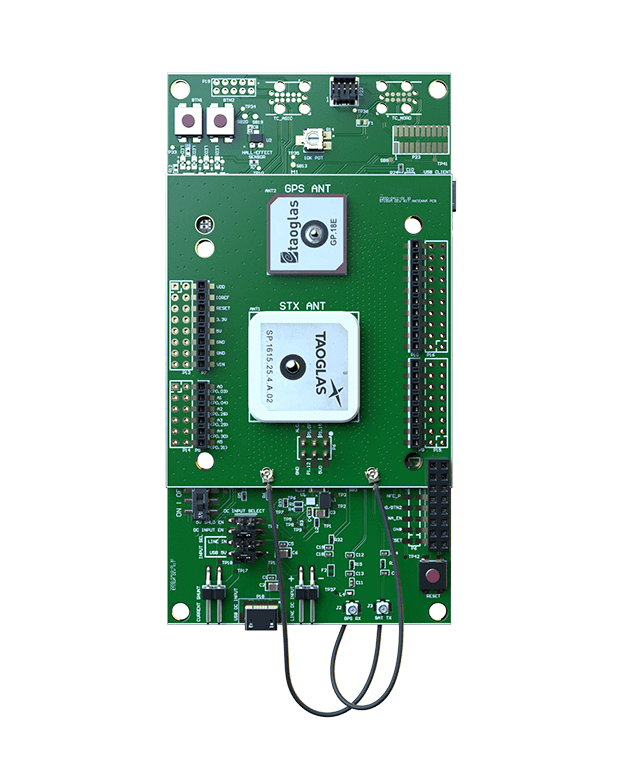 ST150M Dev Kit
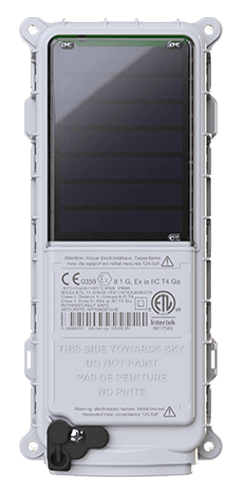 SmartOne Solar
 GSatSolar
 SmartOne C
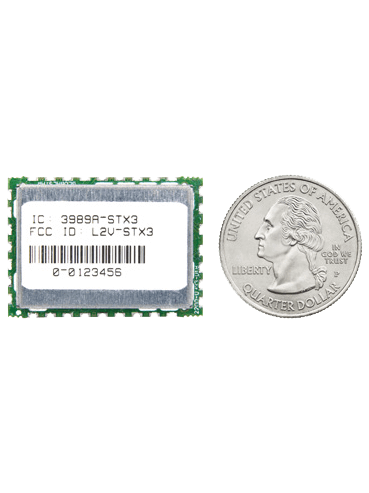 STX3
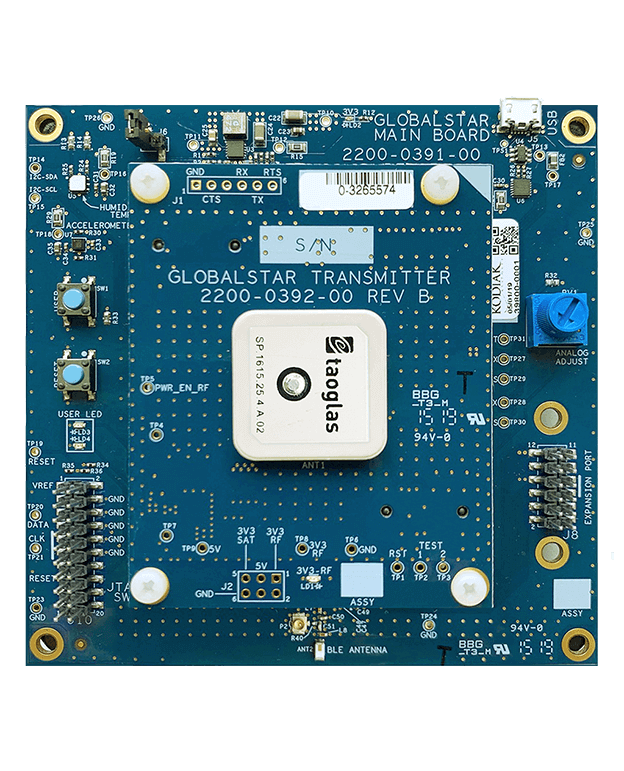 STX3 Dev Kit

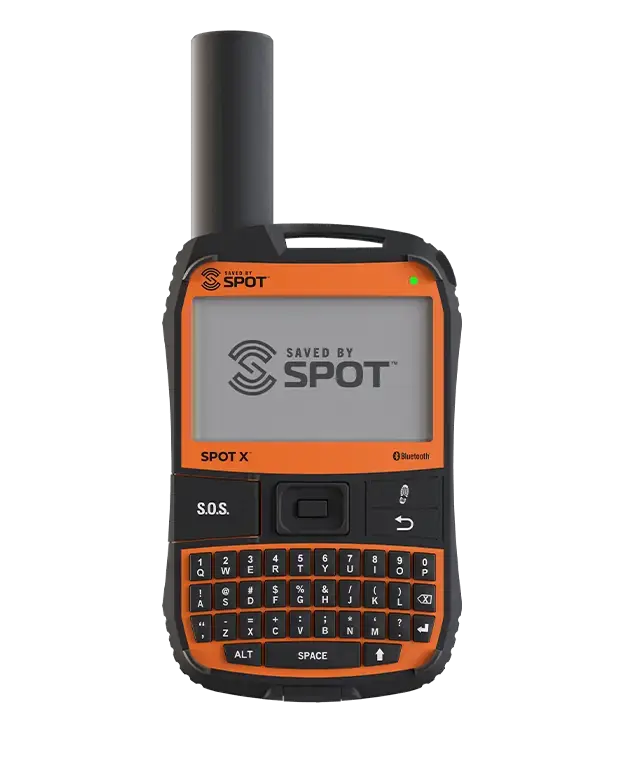 SPOT X
 SPOT Gen4
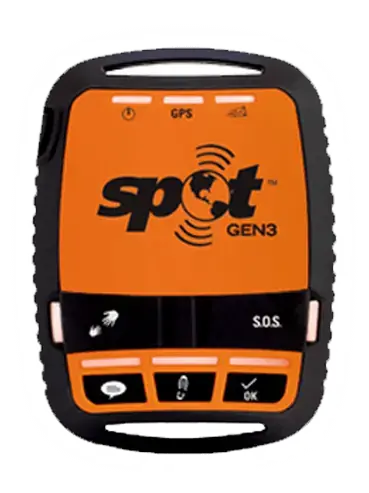 SPOT Gen3
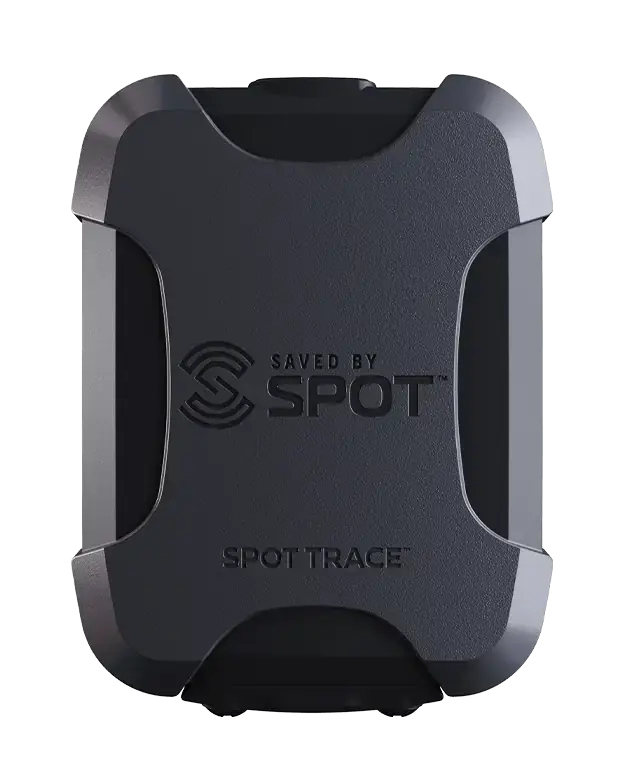 SPOT Trace
Beyond Cell Coverage: Why Satellite Communication Is Essential for Remote Worker Safety
For businesses with employees working in remote or isolated locations, reliable communication is more than a convenience. It is an important part of keeping teams safe, maintaining operational visibility, and ensuring employees have a way to request assistance when unexpected situations arise.
From utility crews inspecting infrastructure to forestry professionals managing remote land, many workers regularly operate in areas where cellular coverage is limited or unavailable. While mobile phones remain essential tools for everyday communication, they cannot always provide the connectivity businesses need to support employees in the field.
Satellite communication offers an additional layer of connectivity, helping organizations strengthen their safety programs and stay informed when employees work beyond the reach of traditional networks.
These challenges highlight the importance of having communication solutions designed for environments where cellular networks cannot always be relied upon.
Why Personal, Portable Satellite Communication Matters for Remote Worker Safety
Not all satellite communication solutions are designed for the same purpose. Portable satellite broadband systems can provide internet connectivity for vehicles, temporary worksites, and field operations, supporting activities that require higher data capacity. However, keeping a worksite connected is different from maintaining communication with individual employees as they move throughout their workday.
For field personnel, work often takes them away from their vehicles and established communication equipment. Utility technicians may need to inspect infrastructure on foot, forestry workers may travel into remote terrain, and environmental teams may conduct assessments far from their original worksite. In these situations, access to a vehicle-based or portable broadband connection may not be sufficient to support individual worker safety.
Personal satellite communication devices address this challenge by providing a compact, battery-powered solution that travels with the employee. Rather than relying on a separate broadband terminal or nearby Wi-Fi connection, devices like SPOT satellite communicators provide dedicated capabilities for GPS location tracking, routine check-ins, and SOS alerts, depending on the model.
This distinction becomes particularly important during an emergency. If an employee becomes injured, separated from their team, or unable to return to their vehicle, having a satellite communication device within reach provides an additional way to request assistance and share location information, subject to satellite visibility and operating conditions.
For businesses developing remote worker safety programs, the goal should not simply be to establish connectivity at a job site. It should be to consider how employees can remain connected as they move beyond vehicles, equipment, and other communication infrastructure.
By equipping field personnel with personal satellite communication devices, organizations can add another layer of protection that supports employees wherever their assignments take them.
Why Cell Phones Alone Aren't Enough for Remote Worker Safety
Cell phones play a central role in business communication, but their effectiveness depends on access to terrestrial networks.
In remote areas, challenging terrain, limited infrastructure, and geographic isolation can make cellular connectivity unreliable. Even businesses operating relatively close to populated areas may encounter coverage gaps when employees travel between job sites or work in difficult-to-reach locations.
For organizations responsible for employee safety, relying exclusively on cellular communication can leave critical gaps in emergency preparedness.
Satellite communication helps address these challenges by providing connectivity independent of traditional cellular networks. Rather than relying on nearby cell towers, satellite-enabled devices communicate through satellite networks, allowing employees to send supported messages, share location information, or initiate an SOS alert in areas without cellular service, subject to device capabilities and operating conditions.
By incorporating satellite communication into existing safety procedures, businesses can establish an additional communication option for employees working in remote environments.
Stay Connected Where Business Takes You
As businesses expand operations into remote locations, maintaining reliable communication with field employees remains an important operational and safety consideration.
Cellular networks will continue to support everyday business activities, but coverage limitations make additional communication options valuable for organizations with employees working beyond traditional infrastructure.
Saved by SPOT satellite communication solutions help businesses address these challenges by providing practical tools for location tracking, routine check-ins, and emergency communication, depending on the device.
Whether employees are inspecting infrastructure, managing natural resources, or servicing equipment in isolated locations, having an additional way to stay connected can make a meaningful difference.
Help keep your remote workforce connected, informed, and better prepared.
Explore how satellite communication solutions can support your organization's remote worker safety and communication needs.