 Login
Login


 RM200M
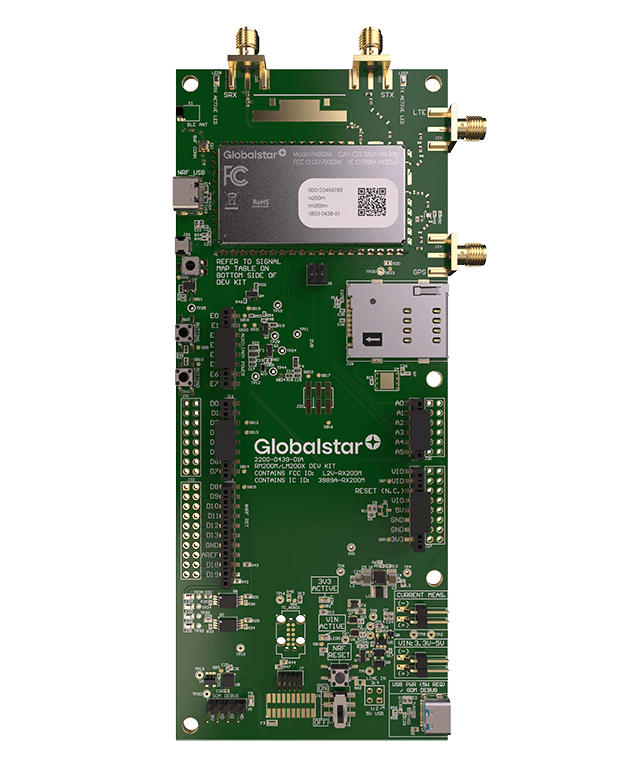 RM200M Dev Kit
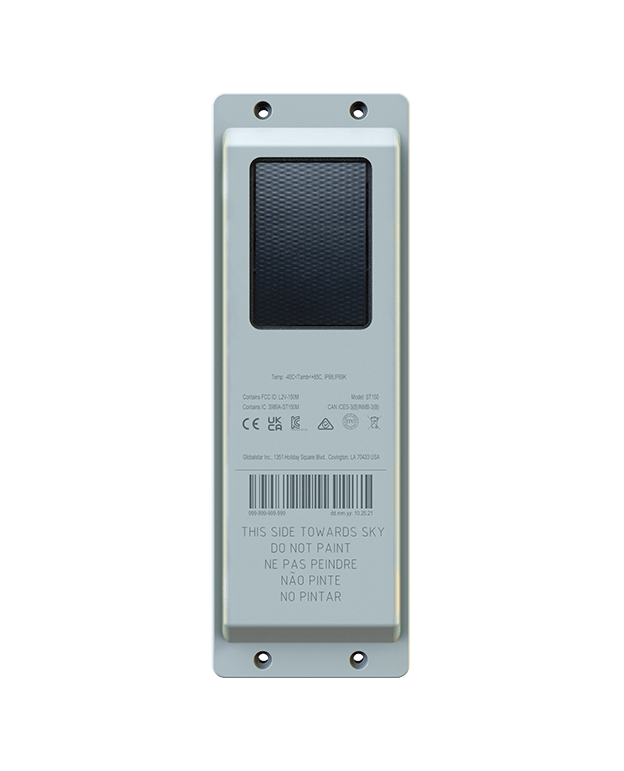 Integrity 150
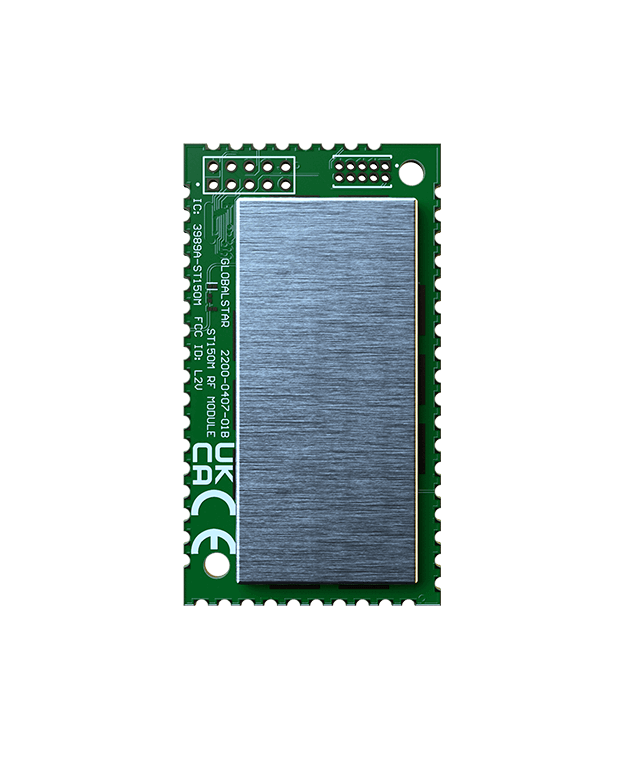 ST150M
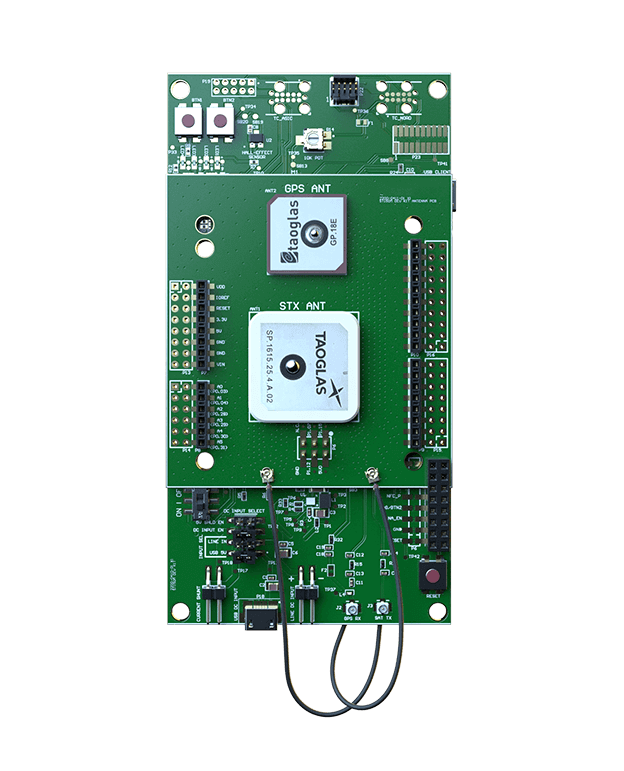 ST150M Dev Kit
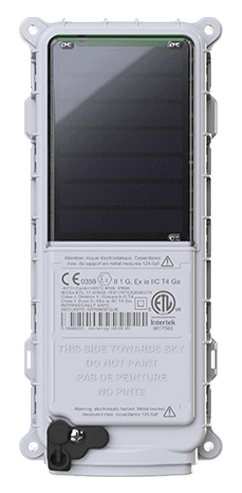 SmartOne Solar
 GSatSolar
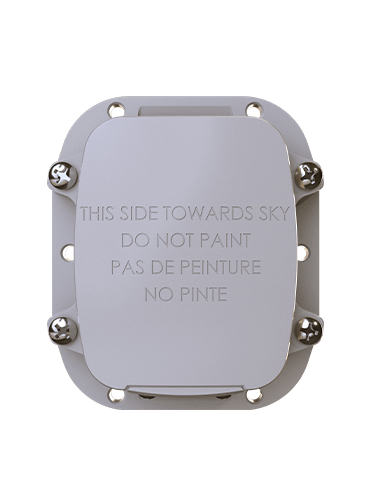 SmartOne C
 STX3
STX3 STX3 Dev Kit
 SPOT X
 SPOT Gen4
 SPOT Trace
 GSP-1700
 GSP-1600
Beyond Single-Network IoT: Why Multimode Connectivity Matters
For years, most IoT deployments were designed around a single assumption: The best available network would be enough. But as connected operations expand across transportation corridors, industrial sites, agricultural regions, remote infrastructure, and global supply chains, the assumption is becoming harder to maintain.
Today’s assets rarely operate within one predictable connectivity environment. They move between coverage areas, applications, and operational requirements. A device may need frequent data exchange in one environment, lightweight telemetry updates in another, or a lower-cost connectivity path when immediate communication is less critical.
This shift is driving the industry toward a new generation of intelligent connectivity architectures designed around flexibility rather than dependence on a single network.
Multimode IoT represents an important step in this evolution. By supporting multiple connectivity options, organizations can begin designing systems capable of selecting the right communications path based on operational requirements, such as:
- Network availability
- Coverage conditions
- Data requirements
- Power consumption
- Application priority
- Service cost considerations
As terrestrial networks continue evolving and new satellite architectures, including emerging broadband constellations, expand connectivity options, the future of IoT will increasingly rely on intelligent network selection across multiple technologies.
Not every application requires the same type of connectivity. High-bandwidth applications may require broadband performance, while millions of remote sensors and monitoring devices depend on efficient, low-power narrowband communications. The next generation of IoT architectures will not be defined by a single network type, but by the ability to match the right network to the right operational requirement.
As organizations expand remote monitoring, telemetry, and automation initiatives, many are discovering that single-network approaches no longer align with operational reality.
This is driving growing interest in multimode IoT architectures capable of supporting both terrestrial and satellite connectivity strategies.
The Problem with Single-Network IoT
Traditional IoT deployments were often built around terrestrial-first architectures because cellular infrastructure was readily available, cost-effective, and well-suited for many operational environments.
But operational footprints have evolved faster than connectivity assumptions.
Organizations today increasingly operate across:
- Remote transportation corridors
- Infrastructure-light industrial regions
- Distributed utility infrastructure
- Agricultural environments
- Energy operations
- Mobile and cross-border asset deployments
In these environments, connectivity gaps create operational blind spots that affect:
- Asset visibility
- Telemetry consistency
- Maintenance awareness
- Operational continuity
- Response times during disruptions
The challenge is not necessarily that terrestrial networks are failing. They were never designed to provide uninterrupted operational coverage across every environment that connected assets now occupy.
Multimode Connectivity Creates More Flexible Deployment Architectures
Multimode IoT approaches help organizations move beyond all-or-nothing connectivity strategies. And according to the GSMA, hybrid terrestrial and non-terrestrial connectivity models are expected to play an increasingly important role as IoT deployments expand into more remote and infrastructure-variable environments.
Rather than relying exclusively on either terrestrial or satellite communications, multimode architectures allow organizations to support more flexible connectivity environments capable of extending operational visibility across changing network conditions.
This approach is becoming increasingly valuable because operational environments rarely fit neatly into a single connectivity category.
For example:
- A fleet may spend part of its route within reliable cellular coverage and another portion moving through rural regions
- Industrial equipment may operate across both connected facilities and remote field environments
- Monitoring infrastructure may require visibility during terrestrial outages or infrastructure disruptions
Multimode capability helps organizations support these operational realities more effectively. Importantly, multimode connectivity is not about replacing terrestrial infrastructure. It is about extending operational continuity beyond its limitations.
The Industry Is Moving Toward Intelligent Hybrid Connectivity Models
The broader IoT market is increasingly shifting toward hybrid connectivity strategies that combine multiple network types depending on operational requirements.
According to GSMA Intelligence, organizations are placing greater emphasis on resilient and flexible IoT architectures capable of supporting distributed operational environments and reducing infrastructure dependency.
This trend is being accelerated by:
- Growing adoption of remote monitoring
- Expansion of industrial IoT deployments
- Increasing demand for operational resiliency
- Rising expectations for continuous asset visibility
- Greater awareness of infrastructure disruption risk
As a result, satellite connectivity is evolving from a niche edge-case technology into a complementary operational layer within broader IoT ecosystems.
Why Flexibility Matters More Than Ever
One of the most important benefits of multimode connectivity is operational flexibility. Organizations rarely operate within static connectivity conditions. Operational environments change constantly due to:
- Geography
- Infrastructure availability
- Weather events
- Network congestion
- Temporary deployments
- Mobile operations
Single-network architectures often force organizations into tradeoffs between coverage, resiliency and operational continuity.
Multimode architectures help reduce those tradeoffs by allowing deployments to support broader operational conditions without redesigning the entire connectivity strategy around edge-case environments. This becomes particularly important for organizations prioritizing:
- Continuous operational visibility
- Remote telemetry
- Distributed infrastructure monitoring
- Mobile asset awareness
- Business continuity planning
- Single-SKU solutions to simplify hardware requirements
- A multimode solution that delivers a two-or-more path redundancy capability in many instances, at no additional cost
Multimode Is About Operational Continuity, Not Complexity
There is sometimes a perception that multimode architectures introduce unnecessary complexity.
In reality, many organizations are pursuing multimode strategies specifically to simplify operational continuity across diverse deployment environments.
The goal is not to create more infrastructure layers for their own sake.
The goal is to:
- Reduce operational blind spots
- Improve resiliency
- Extend visibility
- Support scalable remote monitoring
- Maintain continuity across changing environments
As IoT deployments continue expanding geographically and operationally, the ability to support multiple connectivity approaches becomes increasingly practical rather than optional.
The Future of IoT Will Not Be Single-Network
According to Transforma Insights, Satellite IoT connections are expected to grow from 8.8 million in 2024 to more than 46 million by 2034, reflecting demand for connectivity beyond traditional terrestrial infrastructure. Yet cellular connectivity is a foundational part of the connectivity, overall indicating that the future of IoT connectivity will likely not belong to a single network type.
The next phase of connectivity will not simply be defined by whether an organization uses terrestrial or satellite networks. It will be defined by the ability to intelligently match the right communications technology to the right application, environment, and data requirement.
As satellite connectivity continues evolving, organizations now have access to a broader range of capabilities, including narrowband satellite IOT optimized for efficient telemetry, broadband satellite solutions designed for higher data requirements, and emerging direct-to-device (D2D) technologies expanding the role of satellite connectivity in everyday communications.
Each technology serves a different purpose. For example:
- Narrowband satellite IoT supports low-power sensors, remote monitoring and small-packet data transmission where efficiency and device longevity are critical
- Broadband satellite connectivity supports higher-data applications requiring greater throughput
- Terrestrial networks provide strong performance where infrastructure is available and aligned with operational requirements
This shift reflects a broader evolution happening across connected operations: connectivity is becoming less about network preference and more about maintaining reliable operational awareness wherever operations occur.
Multimode IoT is ultimately about building operational visibility architectures capable of supporting the realities of modern distributed operations.
Talk to our experts to see how multimode can work for you.