 Login
Login


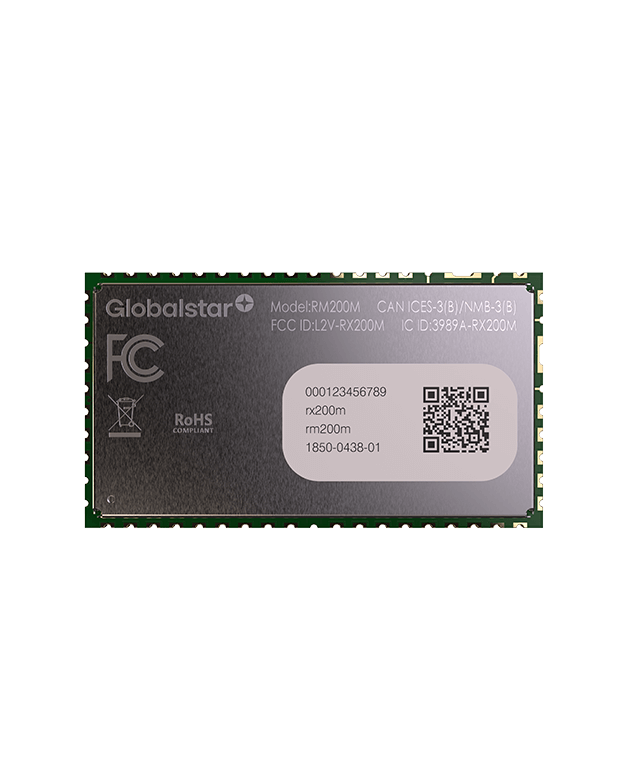 RM200M
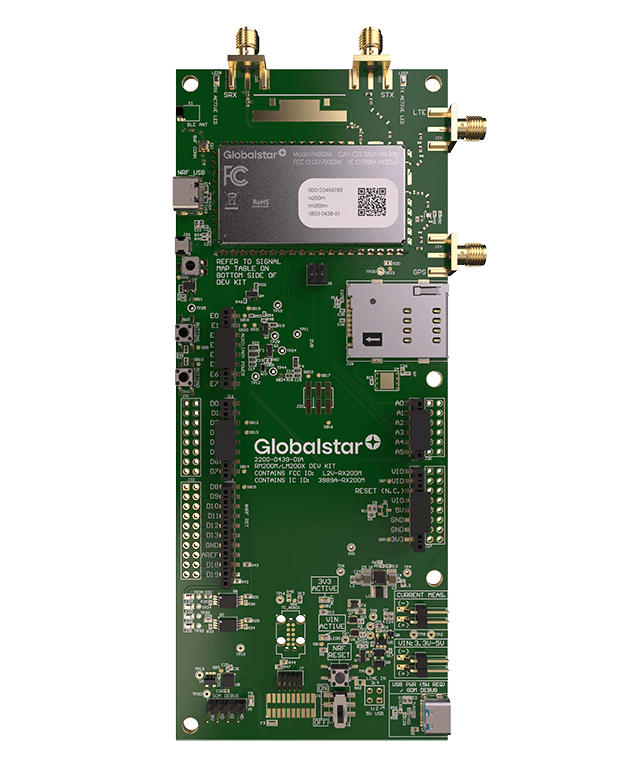 RM200M Dev Kit
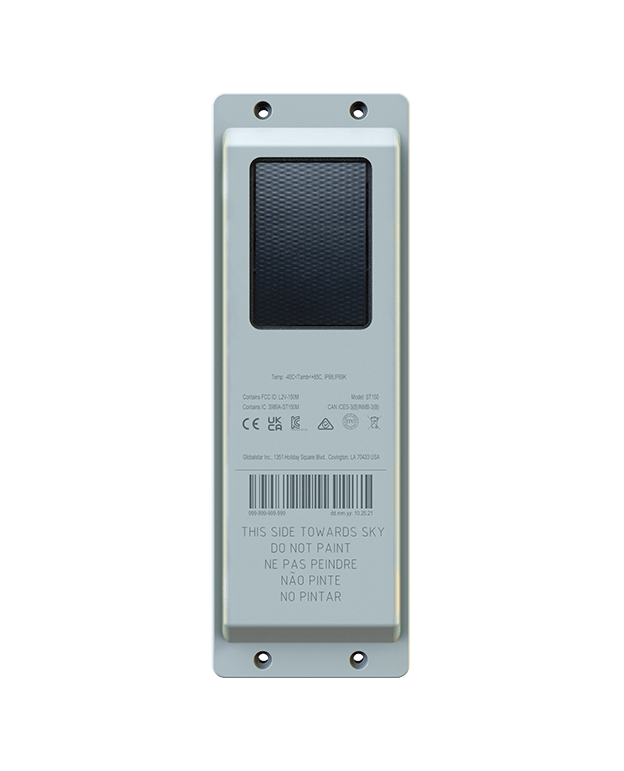 Integrity 150
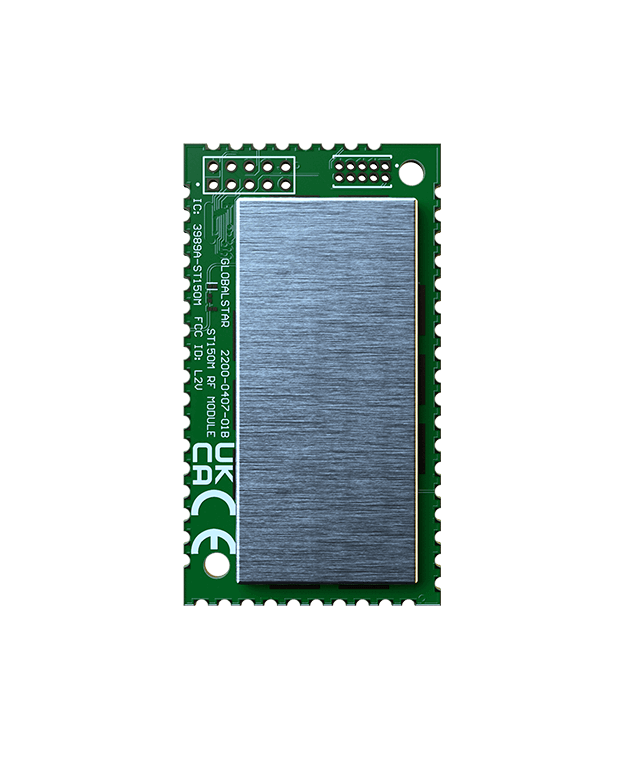 ST150M
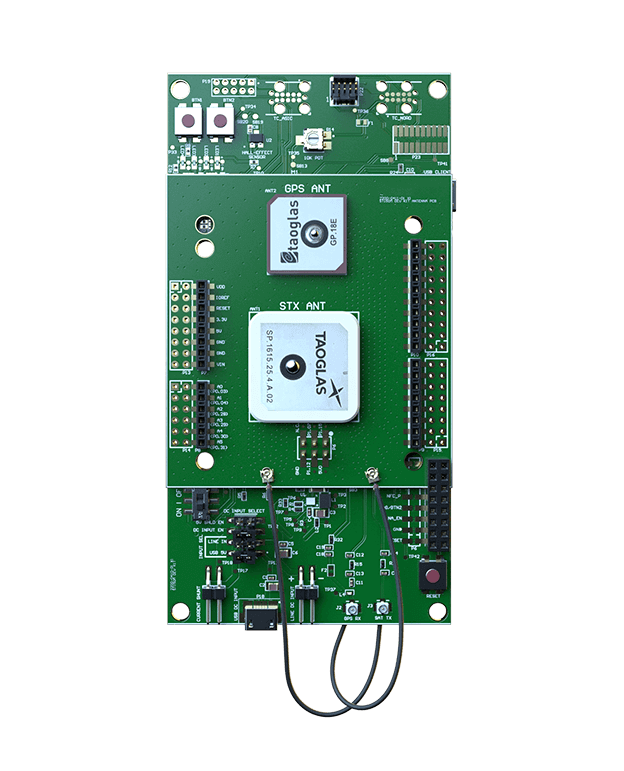 ST150M Dev Kit
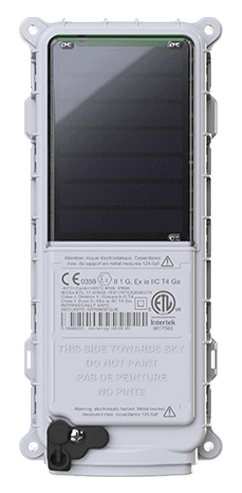 SmartOne Solar
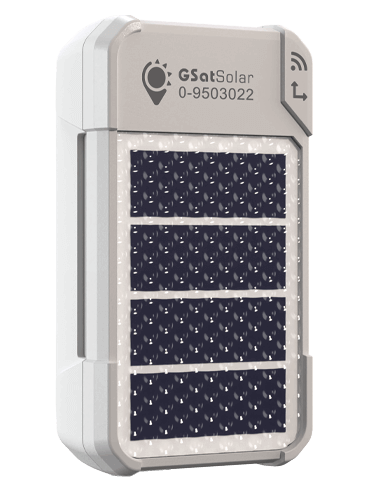 GSatSolar
 SmartOne C
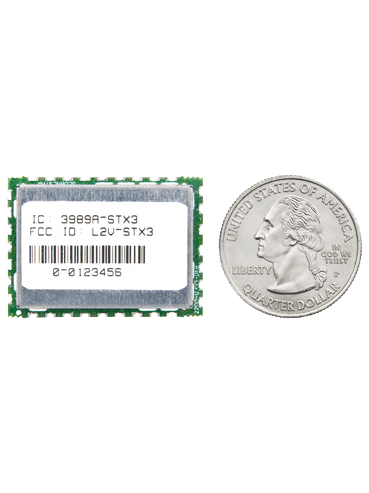 STX3
STX3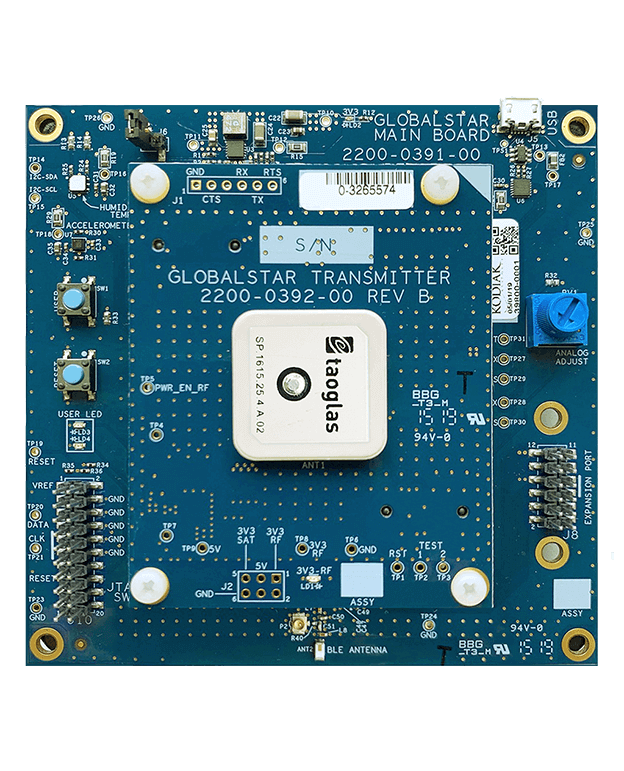 STX3 Dev Kit
 SPOT X
 SPOT Gen4
 SPOT Trace
 GSP-1700
 GSP-1600
Beyond Asset Tracking: Turning Satellite IoT Data into Action
Enhancing Asset Tracking: Turning Satellite IoT Data into Action
For years, one of the most recognizable applications of satellite IoT has been asset tracking: knowing where a vehicle, piece of equipment, or shipment is when it moves beyond traditional network coverage.
Location still matters, but for businesses managing increasingly distributed operations, knowing where an asset is may only answer the first question.
Is the equipment operating as expected? Has a critical condition changed? Does an asset require attention? Is there a developing issue that could disrupt operations?
GSMA Intelligence forecasts 40.8 billion IoT connections globally by 2030, with enterprise applications accounting for approximately 65% of connections.
As IoT capabilities evolve, the opportunity is shifting from simply connected remote assets to turning the data they generate into actionable operational intelligence.
Moving from Location to Condition
Consider an organization managing equipment across hundreds of remote sites.
A location point on a map can confirm that an asset is where it should be. Add sensors and connected systems, however, and that same asset can provide information about its condition, activity, or surrounding environment.
Depending on the application, organizations can monitor factors such as movement, temperature, equipment status, environmental conditions, or other operational parameters.
This changes the role of IoT. Instead of answering only the question of where an asset is, connected assets can help businesses answer what is happening to it and how to act.
For operations leaders, that distinction can translate into visibility across parts of the business that have traditionally been difficult to monitor.
IoT investment is already a priority for a meaningful share of enterprises. In GSMA Intelligence's 2024 Global Digital Transformation Survey, 17% of enterprises surveyed ranked IoT among their top five areas for technology investment.
Managing by Exception
More data isn’t necessarily better data.
An organization operating thousands of connected assets doesn’t need thousands of additional data streams competing for attention. Operations teams need to know when something meaningful happens.
That’s where exception-based monitoring becomes valuable. Rather than requiring someone to continuously monitor every asset, connected systems can be configured around predetermined events or thresholds. When those conditions occur, an alert can provide the information needed to evaluate the situation.
For example:
- A piece of remote equipment moves unexpectedly
- A monitored environmental condition exceeds a defined threshold
- An asset remains idle longer than anticipated
- Equipment reports a change in operating status
- A shipment deviates from an expected route
Predictive maintenance can materially reduce downtime. Deloitte reports that, compared with reactive maintenance, manufacturers using preventive/predictive maintenance reported 53% less unplanned downtime. When predictive maintenance was compared specifically with preventive maintenance, respondents reported 19% less unplanned downtime.
Instead of discovering an issue during a scheduled inspection or after it has already affected operations, teams can gain earlier awareness and determine the appropriate response.
Why the Edge Matters
As IoT deployments become more sophisticated, organizations also need to consider where data is processed.
Sending every sensor reading back to a central platform isn’t always necessary or efficient. Edge computing allows connected devices to process information closer to where it is generated, helping determine which data needs to be communicated.
A remote system, for example, may collect hundreds of readings while everything is operating normally. Rather than transmitting every reading, it could identify when a predetermined condition changes and communicate an alert.
The result is a more focused approach: collect broadly, process locally, and communicate what matters.
For remote operations, this can be especially important when applications are designed around low-power devices and efficient data transmission.
Extending Intelligence Beyond Cellular Coverage
Of course, actionable data is only useful if it can reach the people and systems that need it.
Many industries manage assets far beyond the boundaries of reliable terrestrial connectivity. Energy infrastructure, utility networks, agricultural equipment, transportation fleets, environmental monitoring systems, and industrial assets may operate across vast or isolated areas.
Satellite IoT can extend the reach of connected operations into those environments.
By complementing terrestrial networks with satellite connectivity, organizations can continue receiving critical data and alerts from assets even when cellular infrastructure is limited or unavailable.
That doesn't mean every application requires constant satellite communication. In many cases, the value comes from transmitting small amounts of important information at the right time.
Turning Connectivity into Operational Value
Globalstar’s low Earth orbit (LEO) satellite network supports IoT connectivity for assets and equipment operating beyond reliable terrestrial coverage.
With satellite IoT solutions ranging from compact, embedded modules to two-way communications and edge-enabled capabilities, organizations can build connectivity around the information their operations actually require.
Predictive maintenance can also produce measurable cost savings. Pacific Northwest National Laboratory cites past studies estimating that a properly functioning predictive maintenance program can produce 8%–12% savings compared with preventive maintenance alone, with substantially higher savings possible in facilities heavily dependent on reactive maintenance.
A simple application might transmit location or equipment status. More advanced applications can combine sensors, edge processing, and two-way communications to support automated alerts and more intelligent remote monitoring.
For businesses, the objective is shifting to creating a shorter path between what happens in the field and what the organization does about it, beyond just generating more data.
The Next Step for Remote IoT
As physical operations become more connected, the value of IoT will increasingly be measured not by the number of devices connected or data points collected, but by the decision that information enables.
Satellite IoT helps extend that intelligence to places terrestrial networks can’t always reach. Because connecting a remote asset is only the beginning. The real value comes from knowing when the data is telling you it’s time to act.
Learn more about asset tracking with two-way connectivity here.